













Budapest’s Neighborhoods Uncovered: XIV. District – Városliget, Sports, and Timeless Architecture
Stretching across the eastern side of Budapest, the XIV. District, better known as Zugló, combines some of the Hungarian capital’s grandest green spaces with elegant residential streets, historic villas, major sports venues, and cultural landmarks that have shaped the city for generations. While many visitors associate the district primarily with Városliget, Budapest’s iconic City Park, Zugló offers far more than its most famous attraction. It is a district where monumental architecture, everyday local life, and wide open spaces exist side by side, creating an atmosphere that feels both lively and remarkably balanced.
Unlike the dense inner districts of Pest, Zugló has a more spacious and residential character. Tree-lined streets, early twentieth century villas, apartment houses, and calm neighborhood parks define much of the area, while some of Budapest’s largest cultural institutions and sports facilities bring constant movement and energy. The district feels deeply woven into the daily life of the city, equally shaped by commuters, families, students, athletes, and visitors exploring its historic landmarks.
From fields and villas to a growing urban district
For centuries, the territory of today’s Zugló remained largely rural. Beyond the historical core of Pest stretched agricultural land, vineyards, and open fields that supplied the rapidly growing city nearby. Small roads connected scattered settlements, while streams and marshy terrain shaped the landscape around what would later become Városliget.
The district’s transformation accelerated dramatically during the nineteenth century as Budapest entered a period of rapid modernization following the unification of Buda, Pest, and Óbuda in 1873. One of the most important developments came with the creation and expansion of Városliget, which became one of Europe’s earliest public parks. Originally designed as a recreational space for residents of the growing capital, the park quickly evolved into a symbol of Budapest’s urban ambitions.
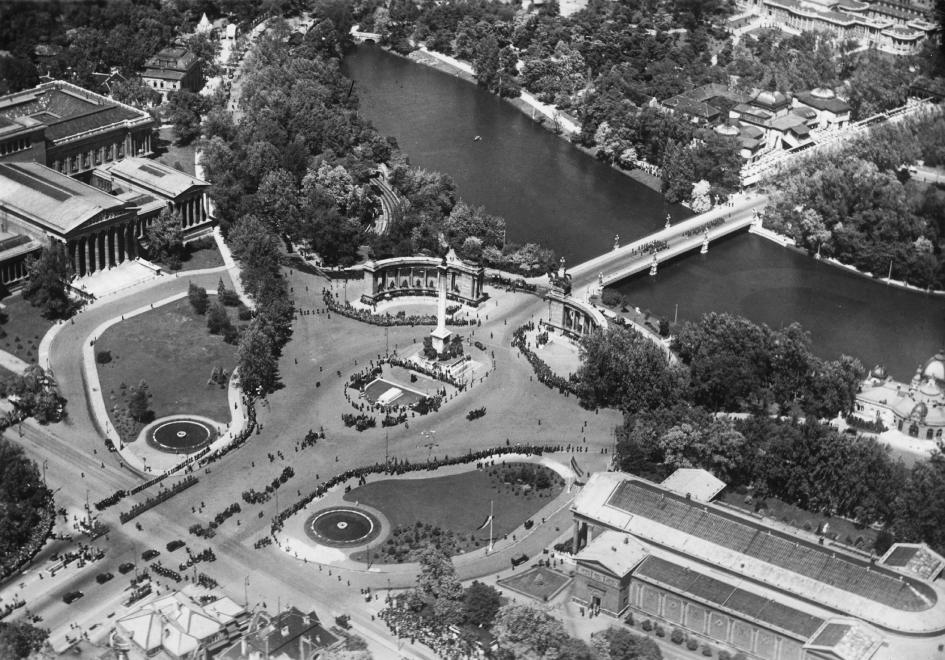
Photo by PestBuda
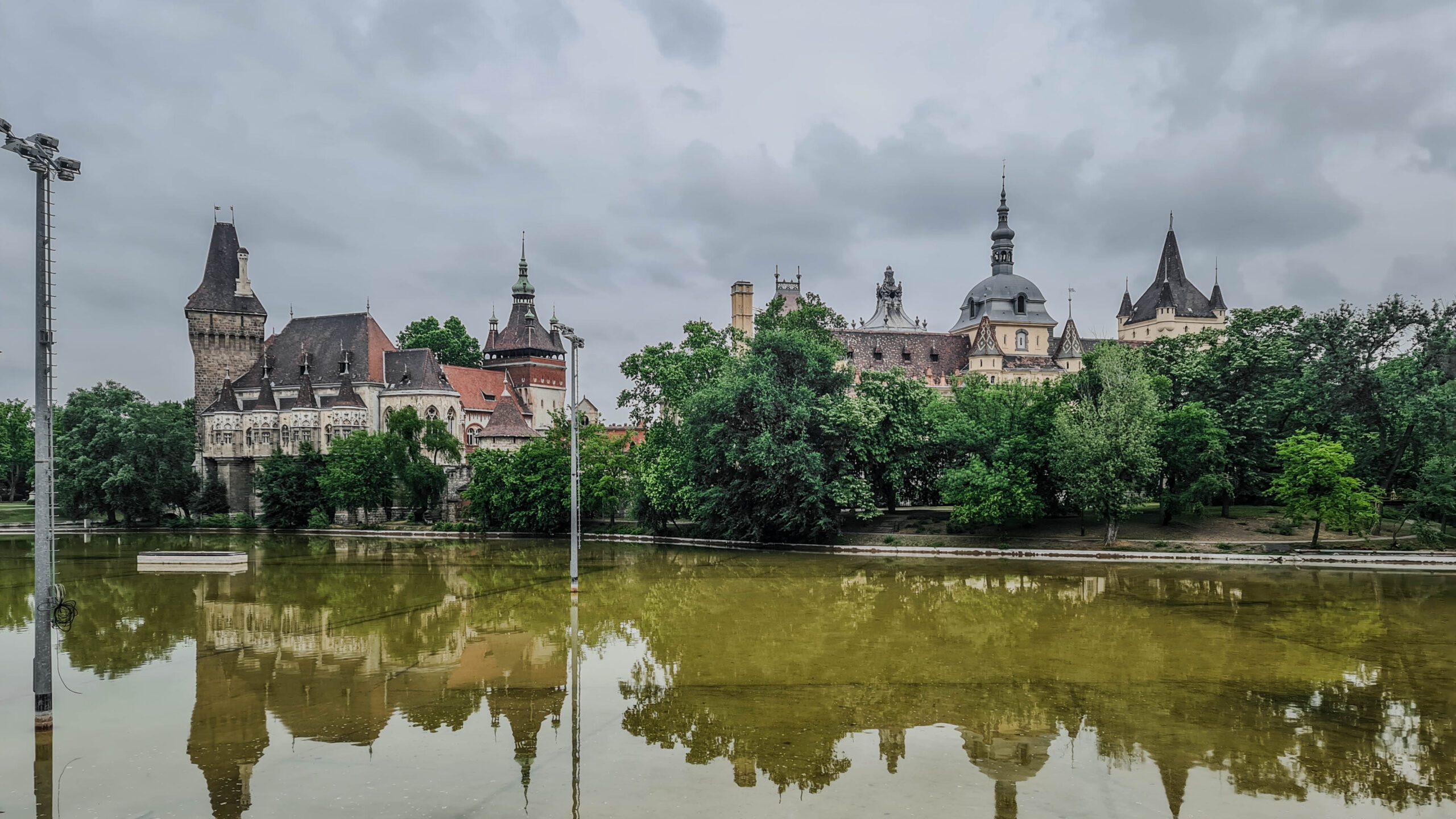
The Millennium celebrations of 1896 marked a defining moment in the district’s history. New boulevards, monuments, exhibition halls, and public buildings appeared across the area, many of which still shape the visual identity of Zugló today. Heroes’ Square emerged as one of Hungary’s most important ceremonial spaces, while the nearby Vajdahunyad Castle introduced a romantic architectural landmark inspired by historic Hungarian styles.
At the same time, elegant residential development spread outward from the city center. Villas and apartment buildings appeared along newly established streets, attracting middle class families and professionals looking for a calmer environment beyond the dense downtown districts. Public transport connections expanded steadily, integrating Zugló more closely into the urban fabric of Budapest.
The twentieth century and the rise of sports and culture
Throughout the twentieth century, the XIV. District continued to grow into one of Budapest’s key residential and institutional areas. New housing developments expanded the district’s population, while cultural venues, schools, and sports facilities strengthened its identity. Sports became especially central to Zugló’s image. The construction of major stadiums and athletic complexes transformed parts of the district into one of Hungary’s most important sporting hubs. Generations of football supporters, athletes, and concertgoers have passed through the area surrounding the stadium quarter, making it one of the city’s most recognizable gathering points.
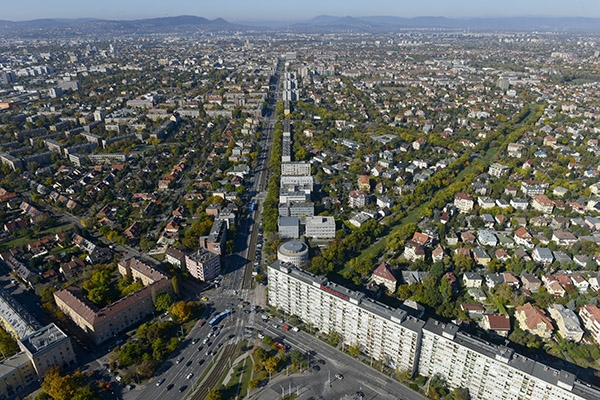
Photo by Kerület Hírdetője
The socialist era introduced larger apartment blocks and new infrastructure projects, yet many parts of the district retained their earlier architectural character. Elegant villas, early twentieth century residential streets, and green public spaces survived alongside later developments, giving Zugló its layered and diverse appearance.
Following the political transition after 1989, renewed investment brought restoration projects, cultural expansion, and the modernization of several landmark institutions. Városliget itself entered a new phase of redevelopment in recent years, with museums, public spaces, and landscaped areas receiving significant updates while continuing to function as one of Budapest’s most beloved recreational zones.
The district today
Today, Zugló feels multifaceted and constantly active. It is simultaneously residential, cultural, recreational, and sports oriented. Families are drawn to its calmer streets and green surroundings, while students and visitors regularly move through its museums, event venues, and transport connections.
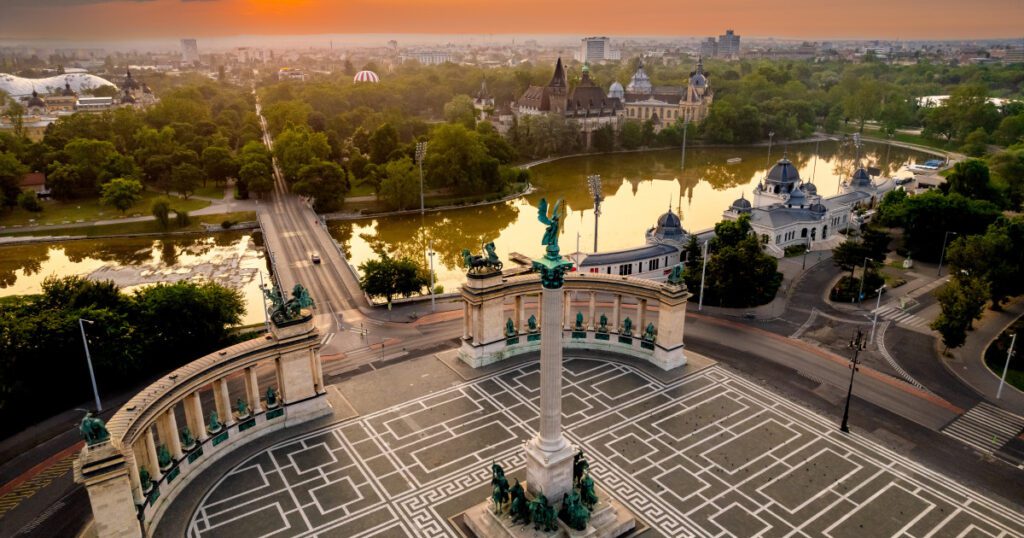
Photo by RunnersWorld
The district’s defining strength lies in its balance. Major landmarks and tourist attractions sit only minutes away from quiet residential pockets where everyday Budapest life unfolds at a slower pace. Large parks, leafy streets, and architectural variety give the area an openness that distinguishes it from many denser parts of the capital.
Highlights and local recommendations
At the heart of the district lies Városliget, one of Budapest’s most iconic public spaces and easily one of the most important recreational areas in the city. The park offers far more than greenery alone. Wide walking paths, boating lakes, playgrounds, seasonal events, and cultural institutions create an environment that changes constantly throughout the year. During summer, locals gather on the lawns and terraces, while winter transforms the area around the lake into one of Europe’s largest outdoor ice skating rinks.
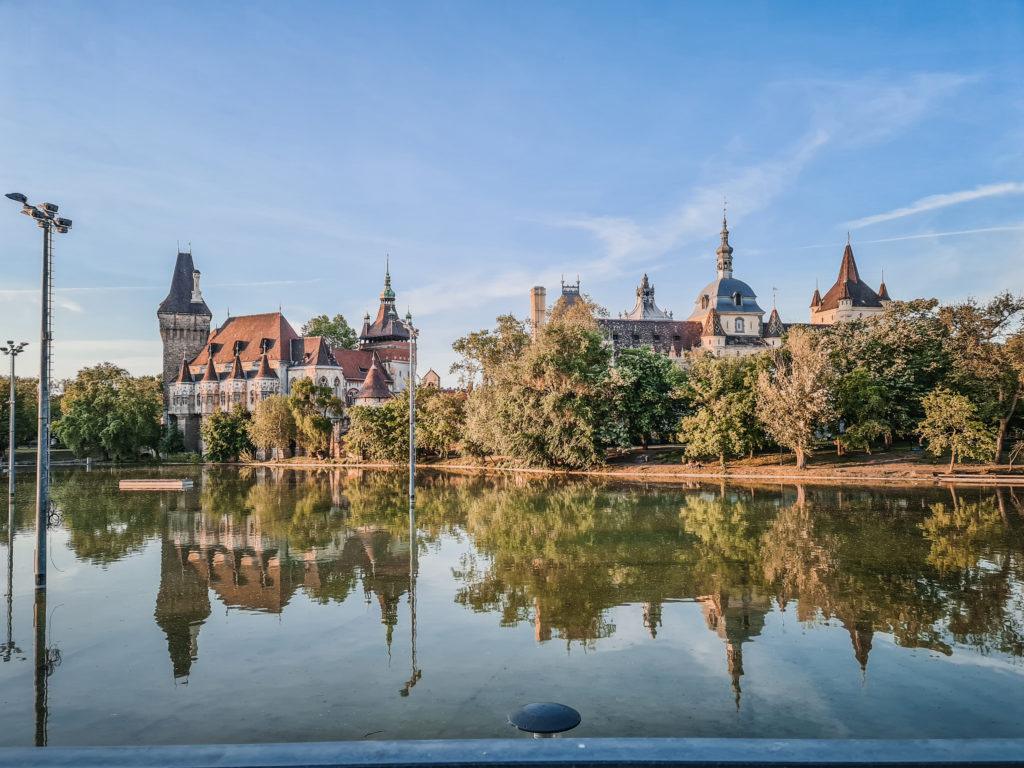
Photo by Norbert Lepsik
At the entrance of the park stands Heroes’ Square, one of Hungary’s most recognizable landmarks, framed by the Millennium Monument and the monumental colonnades that celebrate key figures of Hungarian history. Nearby, the fairytale-like Vajdahunyad Castle blends Romanesque, Gothic, Renaissance, and Baroque architectural styles into one of the city’s most photographed sights, especially during autumn and winter.
Cultural landmarks
The cultural concentration within the district is remarkable. The recently developed museum quarter around Városliget includes the striking House of Music Hungary, known for its contemporary architecture and music focused exhibitions, as well as the Museum of Ethnography with its dramatic rooftop design overlooking the park. The nearby Széchenyi Thermal Bath remains one of Budapest’s defining spa experiences, where outdoor thermal pools operate throughout the year surrounded by grand Neo Baroque architecture.
Sports and large scale events define another side of Zugló. The area surrounding Puskás Aréna has become one of Hungary’s main event zones, regularly hosting football matches, concerts, and international performances. Nearby sports halls and training facilities continue the district’s long connection to athletics and large public gatherings.
Hidden gems in the district
Beyond the famous landmarks, Zugló also rewards slower exploration. Streets lined with early twentieth century villas around Herminamező and Istvánmező reveal a quieter architectural side of the district, while smaller neighborhood parks and cafés create a more local atmosphere away from the busiest tourist areas. The tree-lined avenues near Stefánia Road especially preserve much of the district’s elegant residential character.
For everyday local life, Bosnyák Square and its surrounding market area provide a more authentic glimpse into the rhythm of the neighborhood, with produce vendors, bakeries, and long-standing local businesses serving residents throughout the week. Meanwhile, cafés and restaurants around Városliget and along Thököly Road continue to attract a mix of locals, students, and visitors moving between the district’s cultural and recreational spaces.
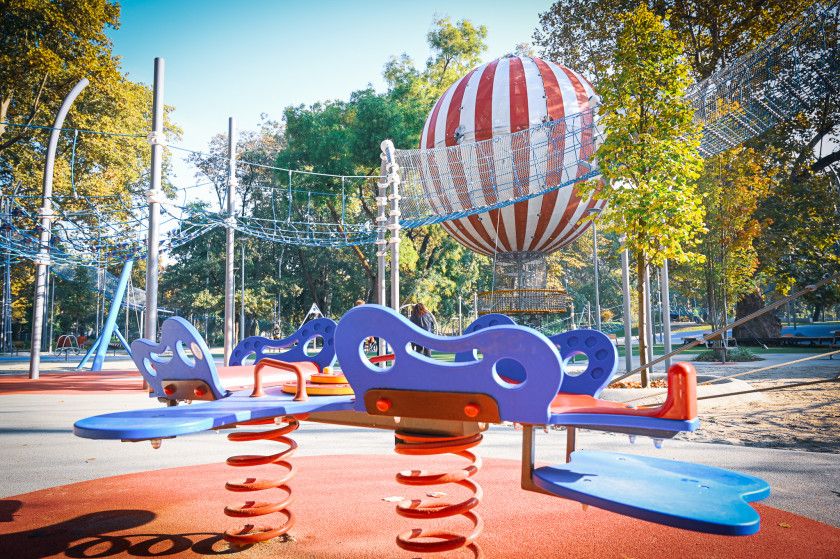
Photo by Városliget
Seasonally, the district constantly reinvents itself. Spring fills Városliget with runners, cyclists, and outdoor events, summer brings festivals and crowded terraces, autumn highlights the park’s tree-lined pathways in deep golden colors, and winter turns the district into one of Budapest’s most atmospheric festive areas with skating, lights, and thermal baths surrounded by steam rising into the cold air.
The XIV. District reveals a version of Budapest where grand public spaces, cultural landmarks, sports traditions, and residential calm come together naturally. From the timeless atmosphere of Városliget to the monumental architecture of Heroes’ Square and the quieter villa lined streets beyond, Zugló continues to embody a side of the capital that feels both historically significant and deeply connected to everyday urban life.