














Budapest’s Neighborhoods Uncovered: XIII. District – Bauhaus Elegance and Riverside Vibes
In this series, we explore Budapest’s districts, uncovering their unique charm, history, and hidden gems. Today, we dive into the XIII. District, an area that seamlessly blends Bauhaus architecture, lively riverside promenades, and a buzzing culinary scene. While many associate the district with the stylish streets of Újlipótváros and Pozsonyi Road, its borders extend far beyond, encompassing the industrial Angyalföld, the scenic Népsziget, and the evolving Göncz Árpád City Center.
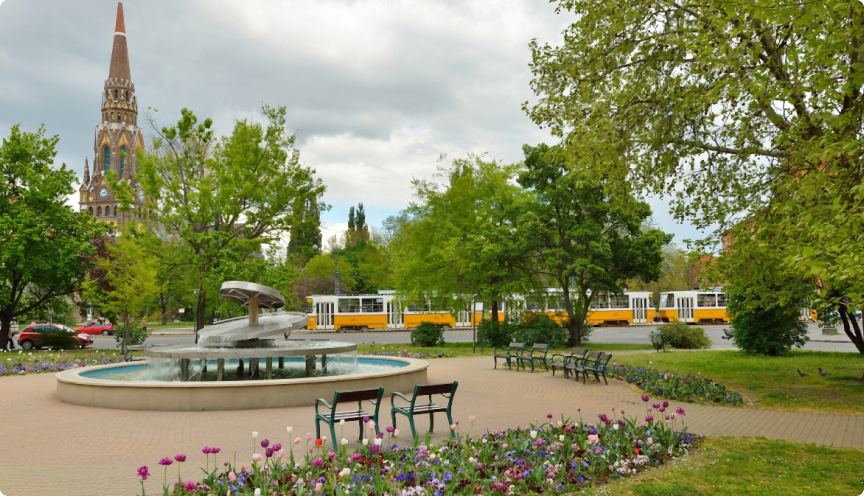
Photo source – budapest13.hu
A District Without a Name – The Evolution of XIII. District
Unlike some of Budapest’s historic quarters, District XIII doesn’t have a widely recognized traditional name. However, between 1938 and 1945, it was briefly called Magdolnaváros, after Horthy Miklós’ wife, Magdolna. Today, the district includes Angyalföld, Vizafogó, Göncz Árpád City Center, Újlipótváros, and parts of Népsziget, stretching along the Danube from the Szent István Boulevard up to the northern railway lines.
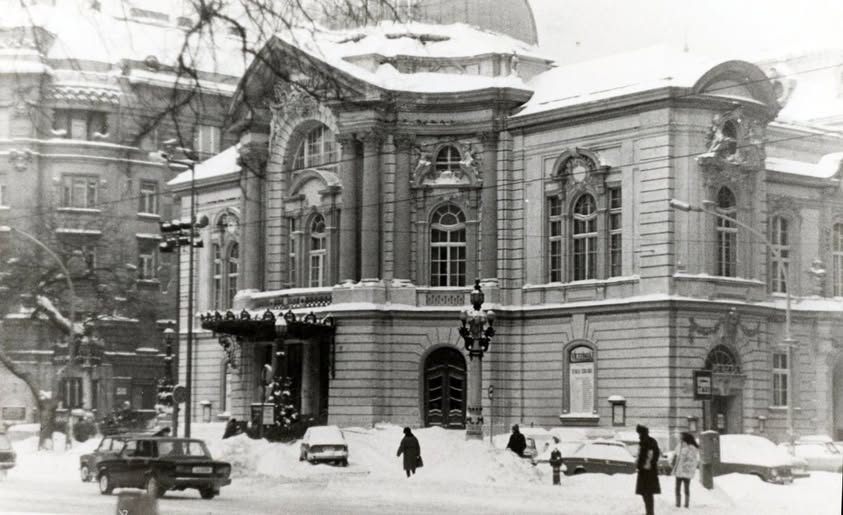
Photo – obetkó m. 1984
Bauhaus Beauty – Újlipótváros and Beyond
For many, District XIII is synonymous with the Bauhaus-style modernist buildings of Újlipótváros, built in the 1920s and 1930s. One of the most remarkable examples is the Dunapark Houses, located on Pozsonyi Road. These elegant residences are known for their high-quality materials, marble staircases, sleek architectural lines, and the striking royal-blue stairwells—a unique design element that has made them a local architectural gem.
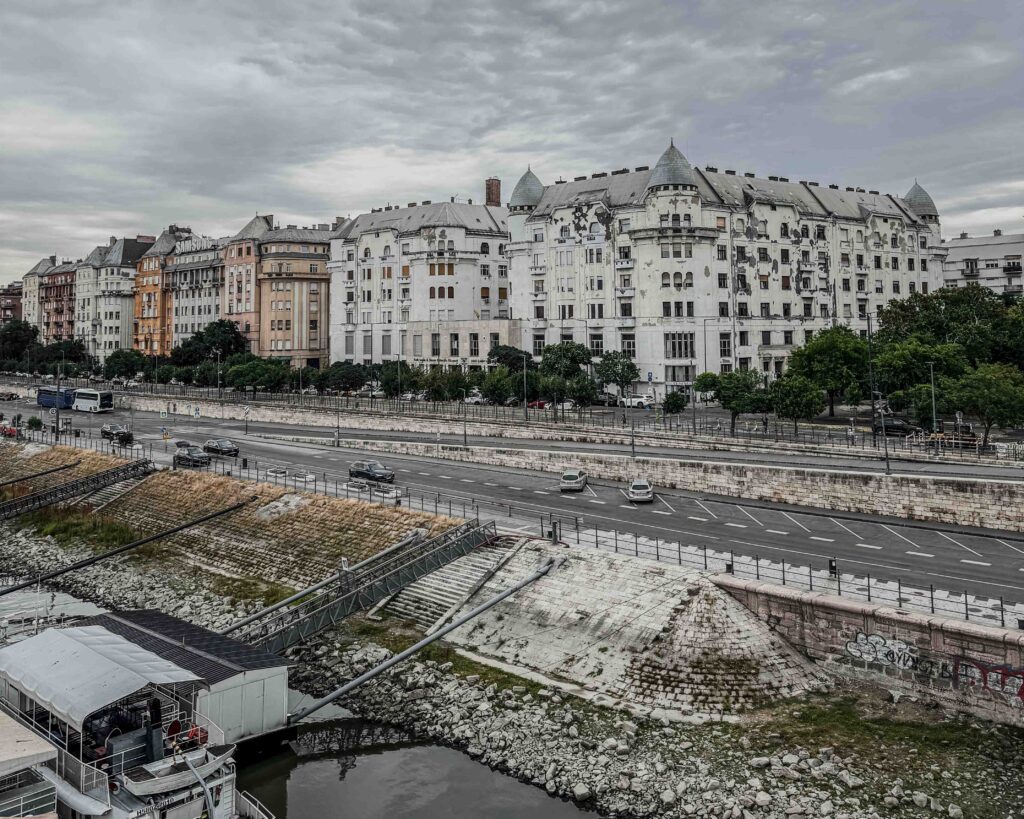
Photo by @norbertlepsik
On the other end of the spectrum, Lehel Market Hall is a building that sparks debate. Designed by László Rajk, it defies conventional aesthetics with its chaotic mix of colors, materials, and shapes. Some view it as a playful architectural experiment, while others see it as Budapest’s quirkiest structure. If there were an award for the city’s strangest building, Lehel Market would be a top contender.
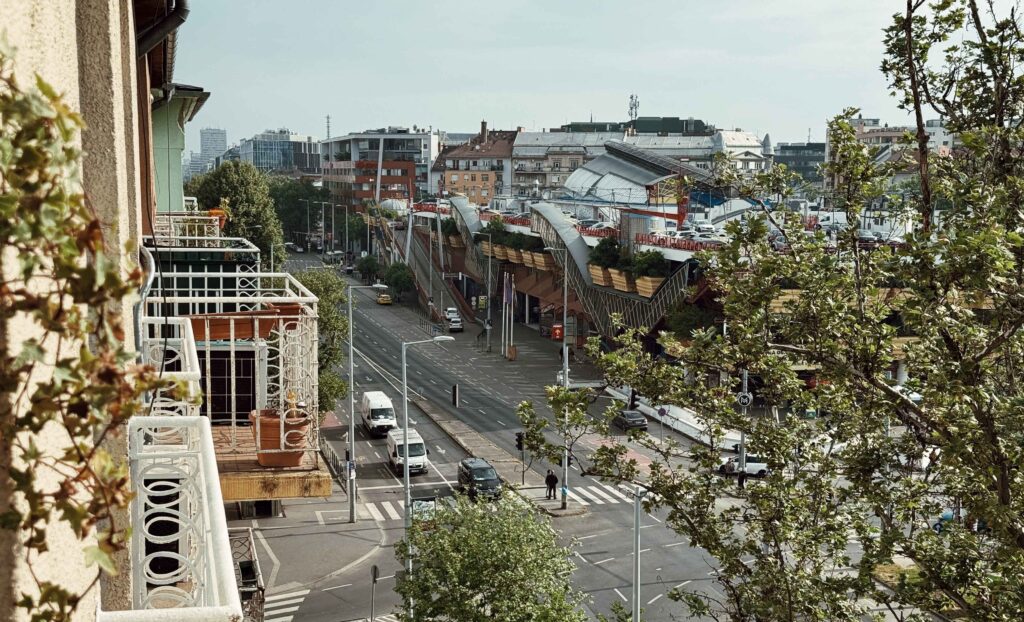
Photo by @norbertlepsik
The Danube’s Role – Bridges and Riverside Landmarks
One of the district’s defining features is its long stretch of riverfront, which offers both historic and modern attractions:
- Margaret Bridge (Margit híd) – The city’s second permanent bridge, designed by French engineer Ernest Gouin, was built from toll revenues collected at the Chain Bridge. It has served Budapest’s transportation system since 1879, first carrying horse-drawn carriages, then, in 1896, electric trams.
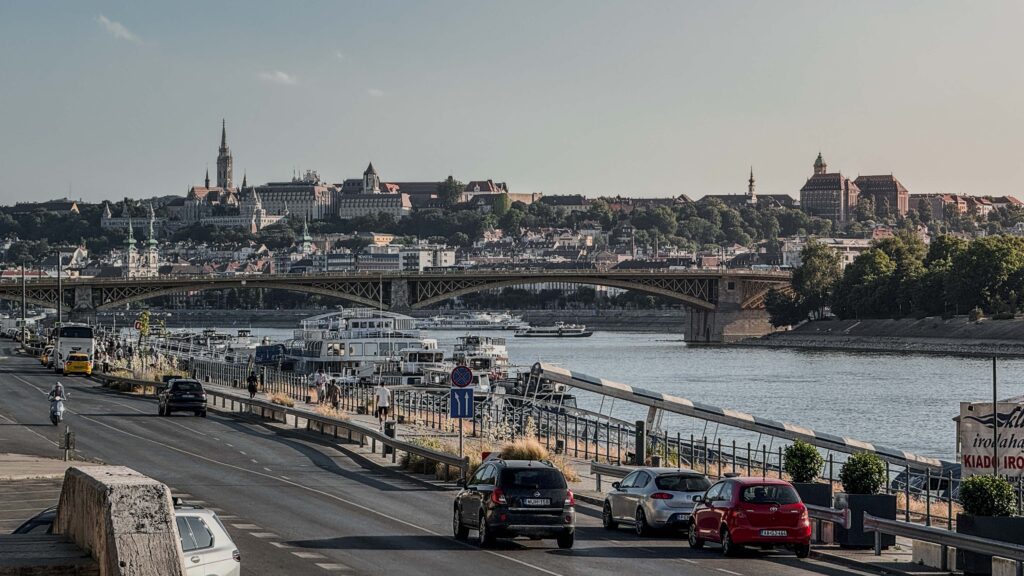
Photo by @norbertlepsik
- Szent István Park – Established in 1928 on the site of a former parquet factory, this riverside park is a peaceful retreat dotted with sculptures and memorials, including a statue of Raoul Wallenberg.
- Margaret Island – Though no longer part of the XIII. District since 2013, it remains one of Budapest’s most beloved green spaces, perfect for a quick escape from the city’s hustle.
- Pozsonyi Road – The Heartbeat of Újlipótváros
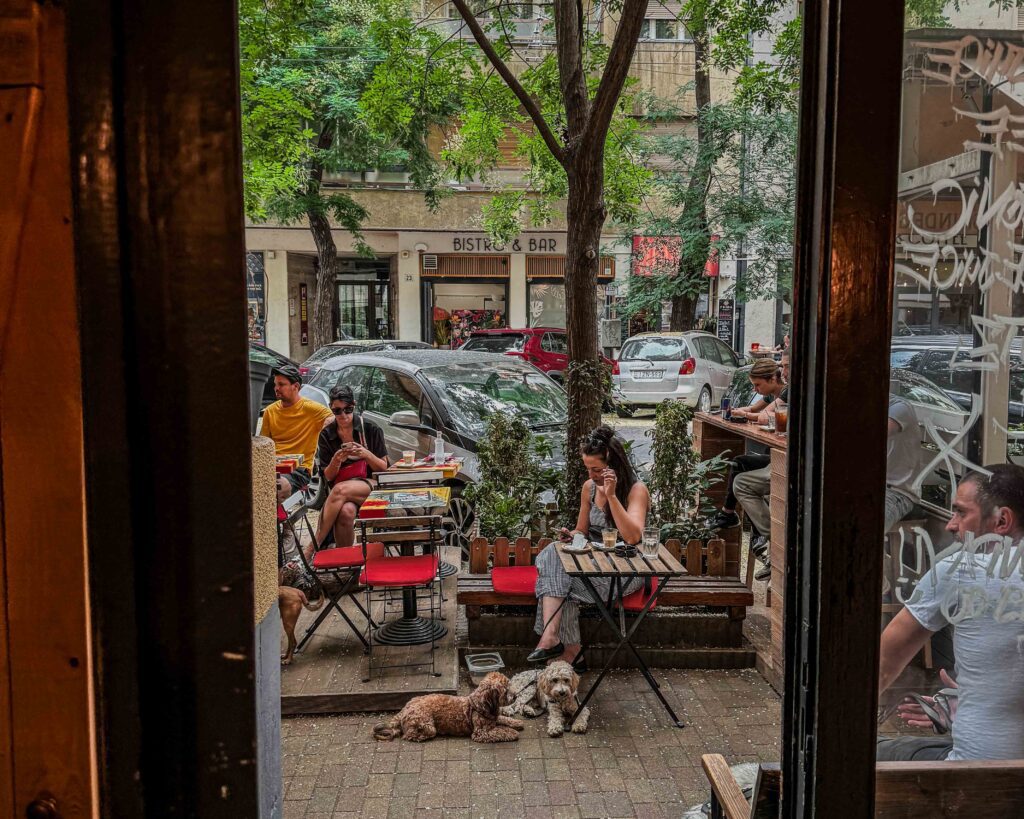
Photo by @norbertlepsik
If Újlipótváros has a pulse, it beats strongest along Pozsonyi Road. This charming street is lined with:
- Trendy brunch spots – The district’s unofficial brunch boulevard is home to countless cafés and bakeries, making it a hotspot for leisurely morning meals.
- Dessert havens – From artisanal ice cream shops to French-style patisseries, there’s always something sweet to try.
- Cozy bars and bistros – Whether it’s an afternoon glass of wine or a late-night cocktail, the area’s vibrant nightlife keeps things lively.
- Architectural Treasures – Churches and Cultural Icons
Despite its reputation for modernist architecture, District XIII also houses significant religious and cultural landmarks:
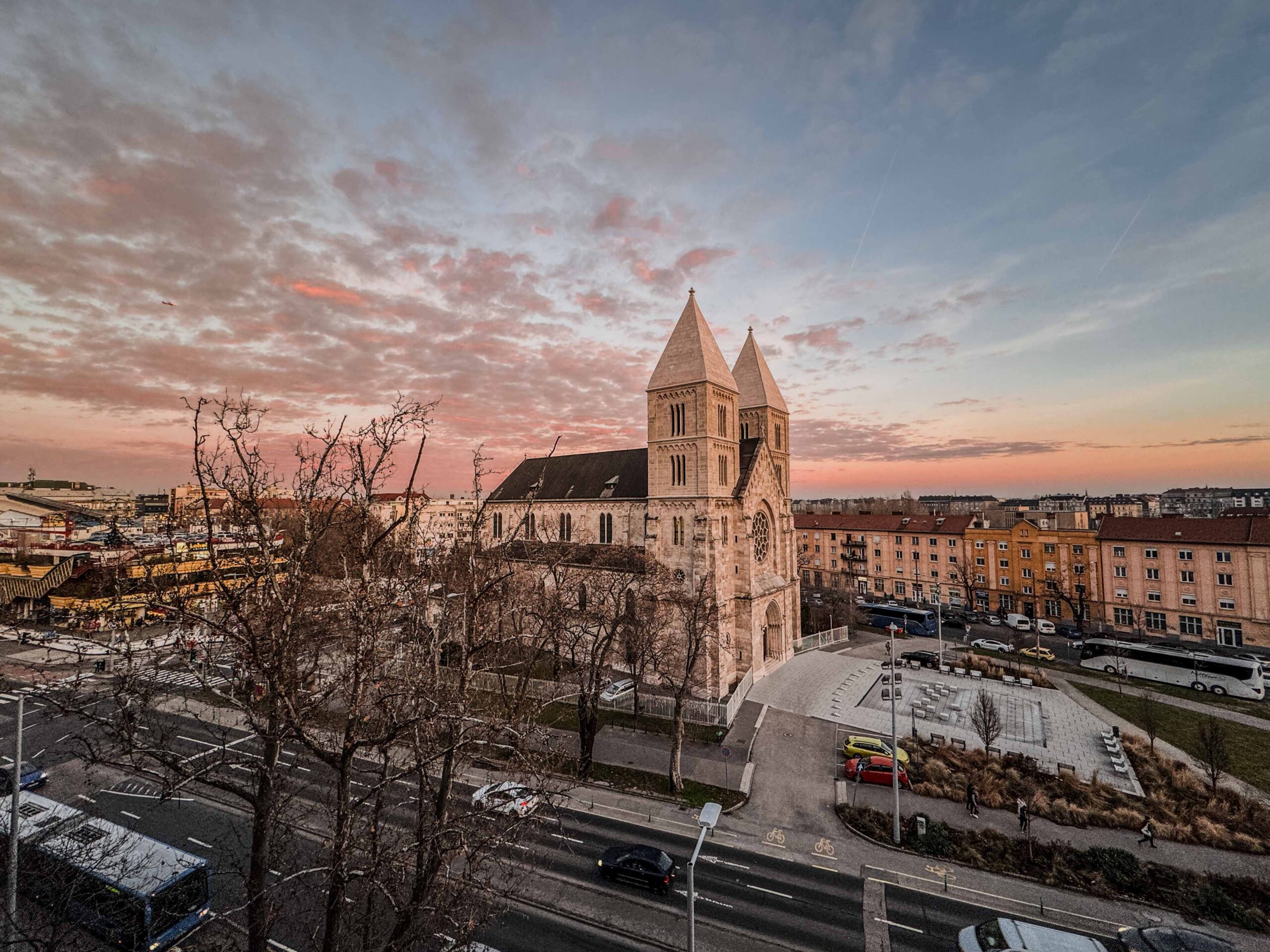
- St. Ladislaus Church (Szent László-templom) – A striking neo-Gothic church that stands as a landmark of Angyalföld.
- St. Margaret Church (Szent Margit Templom) – A hidden gem offering a peaceful spiritual retreat in the heart of the district.
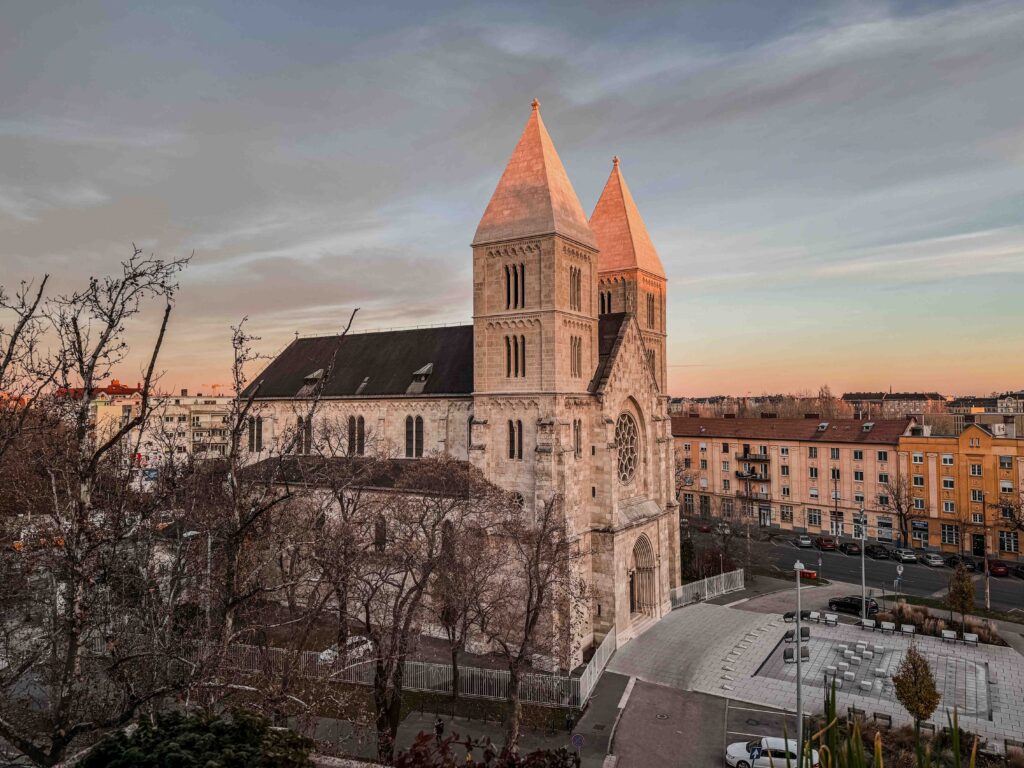
Photo by @norbertlepsik
- Vígszínház (Comedy Theatre of Budapest) – Opened in 1896, this breathtaking Art Nouveau theatre is not only a stunning architectural piece but also one of the city’s most renowned performance venues.
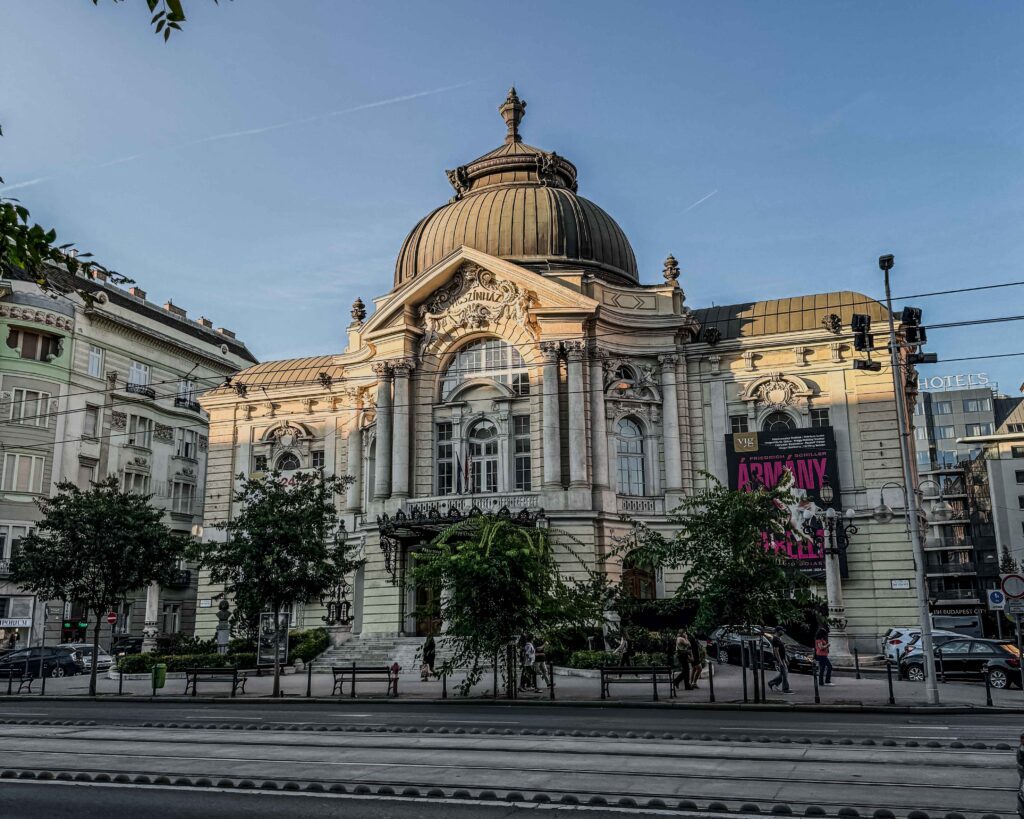
Photo by @norbertlepsik
Riverside Charm – A Lifestyle by the Water
One of the biggest draws of District XIII is its proximity to the Danube, where the city’s rhythm slows down and the air feels fresher. Whether you’re a local or a visitor, the riverbank offers plenty to experience:
- Scenic promenades – The Id. Antall József rakpart invites pedestrians and cyclists alike to enjoy stunning city views.
- Seasonal festivals – From food truck gatherings to live music performances, the riverbank transforms with each season.
- Boating and water sports – Adventurous spirits can try kayaking, paddleboarding, or take a river cruise to explore Budapest from the water.
- Open-air concerts and cultural events – The picturesque riverside serves as a natural stage for music, theater, and film screenings.
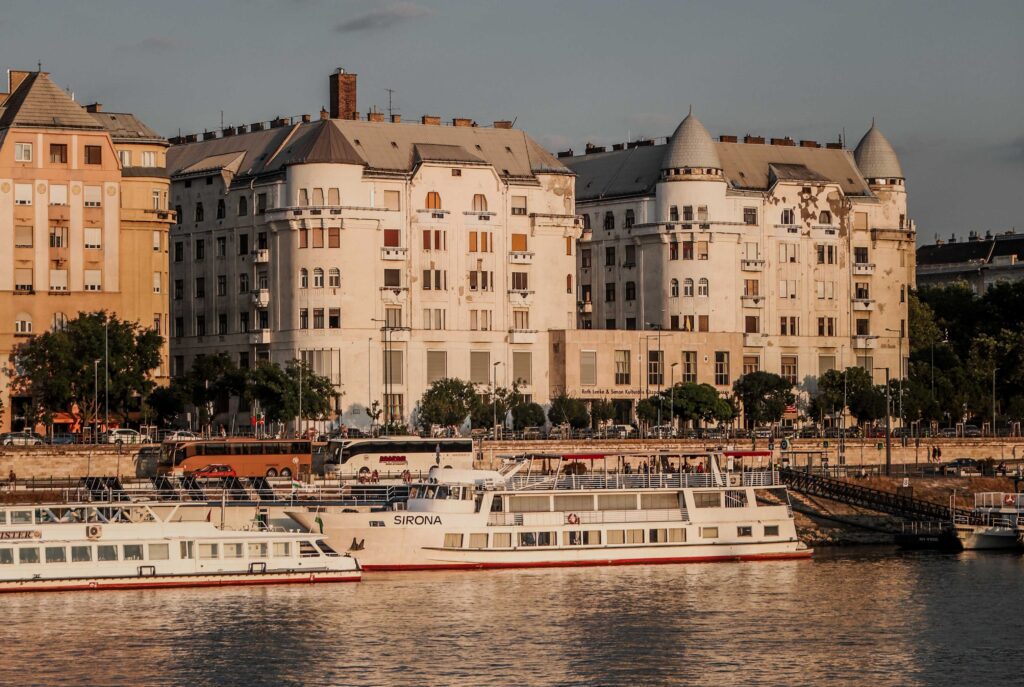
Photo by @norbertlepsik
With its mix of relaxation, culture, and recreation, the district’s waterfront is an essential part of its identity.
Art Nouveau Elegance – Hidden Gems of the District
While District XIII is often associated with Bauhaus and modernism, it also hides stunning examples of Art Nouveau architecture, a style that flourished in Budapest at the turn of the 20th century.
Vígszínház – This ornate Art Nouveau theatre remains a cultural landmark, hosting performances in a spectacular setting.
Intricate facades – Many residential buildings in the district feature curved balconies, decorative ceramic tiles, and floral motifs, characteristic of Hungarian Art Nouveau.
These details bring a touch of old-world charm to a district that continues to evolve with time.
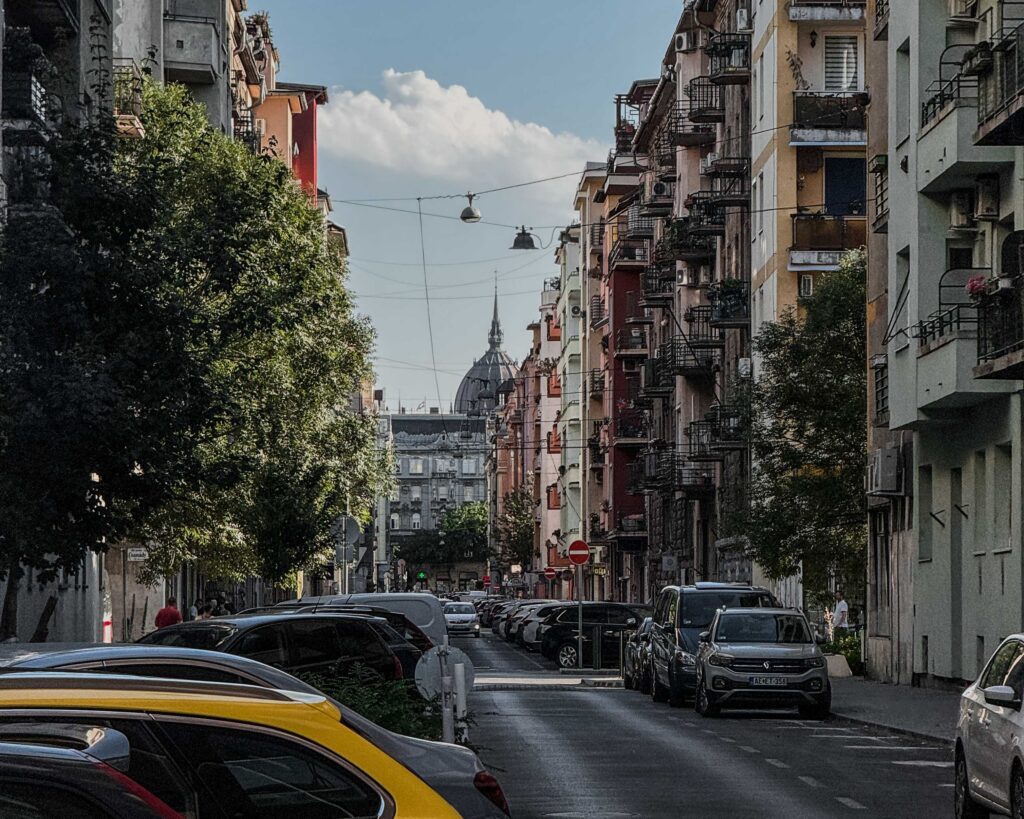
Photo by @norbertlepsik
District XIII is where history meets modernity, where brunch culture thrives alongside Bauhaus architecture, and where riverside tranquility coexists with urban buzz. From the iconic Pozsonyi Road cafés to the quirky Lehel Market, and from the elegant Dunapark Houses to the bustling riverbank, this district offers a dynamic slice of Budapest that is always worth exploring.