














Budapest’s Neighborhoods Uncovered: XI. District – Bartók Béla Boulevard and Gellért Hill
On the western side of the Danube lies one of Budapest’s largest and most varied districts. The XI. District, known as Újbuda, blends dramatic natural scenery with lively urban life. From the steep slopes of Gellért Hill to the cultural buzz of Bartók Béla Boulevard, the area offers a mix of nature, history, and everyday city energy.
Unlike some central districts where centuries of dense development define every street, Újbuda feels more open and layered. Here, elegant residential streets meet university buildings, quiet parks lead toward riverside promenades, and local cafés shape the rhythm of neighborhood life. It is a district that combines scenic views, intellectual energy, and a strong sense of community.
Source: a Bartók Béla Boulevard Facebook oldala
Early history and the rise of Buda’s southern districts
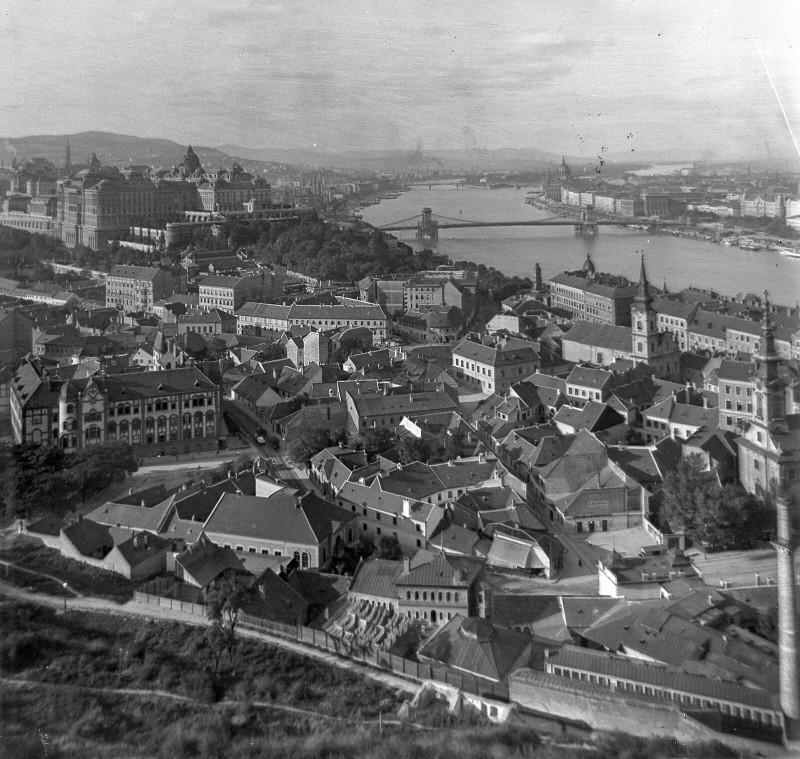
Long before modern Budapest took shape, the land that now forms the XI. District was already connected to trade and settlement. The Danube acted as a natural route for merchants and travelers, and the hills rising above the river provided strategic vantage points. Gellért Hill became an important landmark early on. During the Middle Ages the area around the hill was sparsely populated, yet its position overlooking the river made it significant for defense and observation. Over time the surrounding land gradually developed into vineyards, gardens, and small settlements that supplied nearby Buda.
The Ottoman period left many parts of Buda damaged or abandoned, but after the city was reclaimed in the late seventeenth century the southern districts slowly began to recover. Rural landscapes remained dominant for a long time. Vineyards stretched across the slopes, and the Danube banks were used for transport and trade.
Source: turista magazin
Urban growth in the nineteenth and twentieth centuries
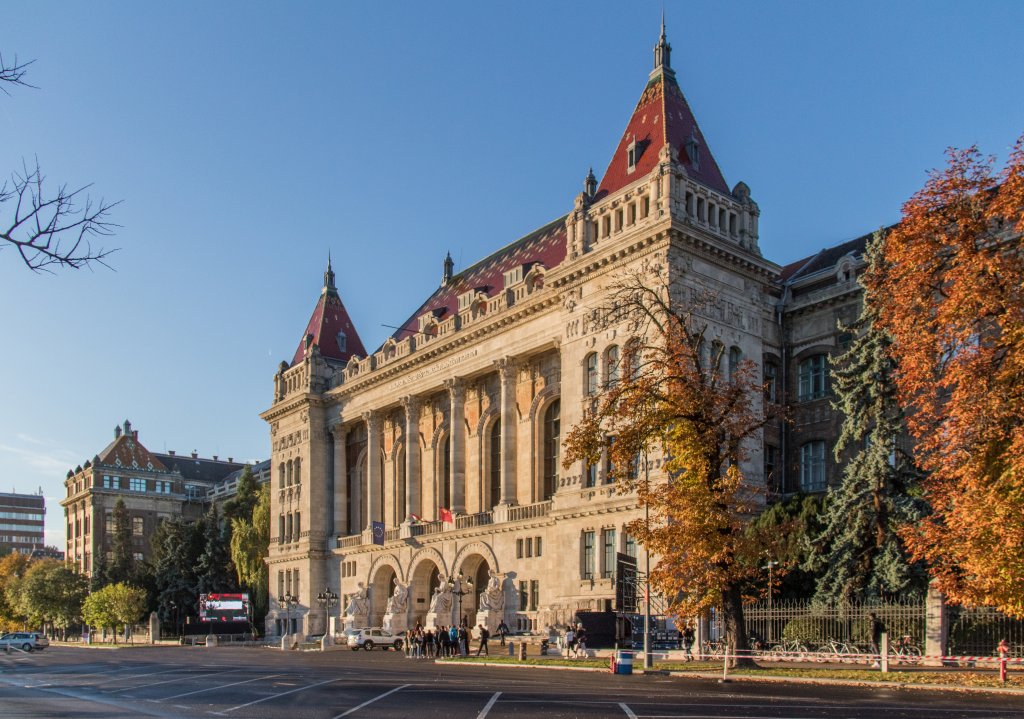
The real transformation of the XI. District began in the nineteenth century when Budapest expanded rapidly after the unification of Buda, Pest, and Óbuda in 1873. Bridges connecting the two sides of the river improved access, and new infrastructure opened the door for residential and educational development. One of the most important institutions to shape the district was the Budapest University of Technology and Economics. Its buildings along the Danube brought students, research, and academic life to the area. The surrounding streets gradually filled with apartments, shops, and cafés catering to a young and intellectual community.
Source: BME
Bartók Béla Boulevard also began to emerge as a major urban corridor. Over time it connected several neighborhoods and became a lively axis of local culture. The twentieth century added further layers to the district. New housing areas, public buildings, and transport links turned Újbuda into one of the city’s key residential zones. While some parts developed dense urban character, other areas kept a quieter, greener atmosphere. Parks, lakes, and riverside spaces balanced the city landscape and made the district especially attractive for everyday living.
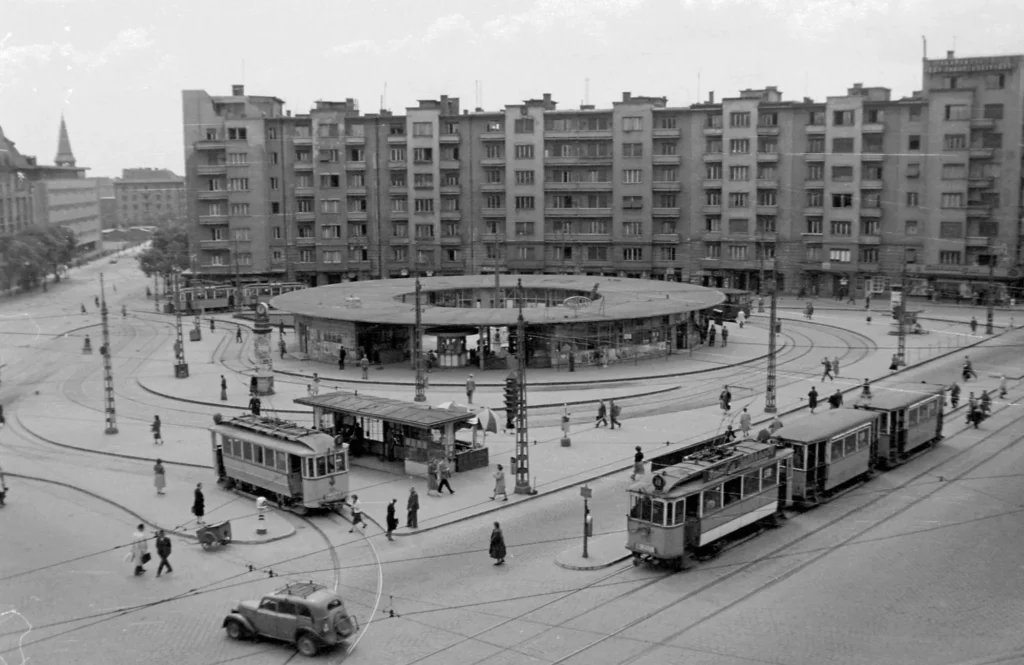
Source: ilyen is volt Budapest
The district today
Today Újbuda feels both energetic and relaxed. It is home to university students, families, and long time residents who appreciate its balance between city life and nature. Cultural spaces, galleries, and cafés thrive along Bartók Béla Boulevard, while just a short walk away quiet parks and riverside paths offer a slower pace. The district is also one of the best places in Budapest to experience the city’s natural beauty without leaving the urban environment. From hilltop viewpoints to lakeside walks and river panoramas, scenery plays a major role in shaping the identity of the area.
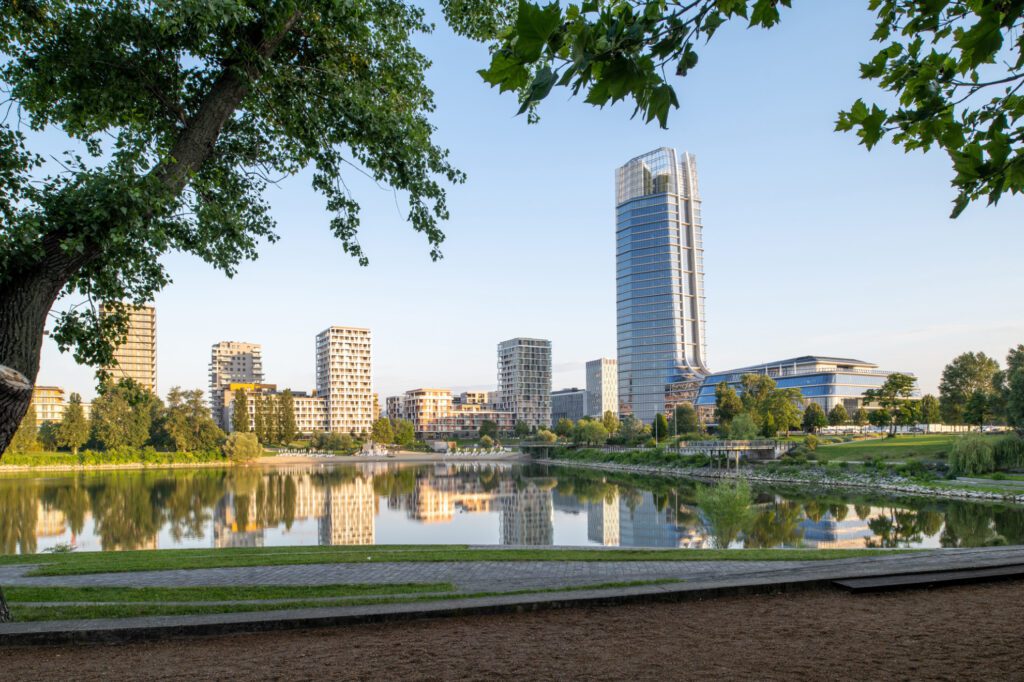
Source: property market
Highlights and local recommendations
Gellért Hill
One of Budapest’s most famous landmarks rises directly above the district. Gellért Hill offers sweeping views over the Danube, the bridges, and the city center. The Citadel and the Liberty Statue crown the hill, while winding paths and green spaces invite visitors to explore the slopes. The panorama from the top remains one of the most memorable sights in the city.
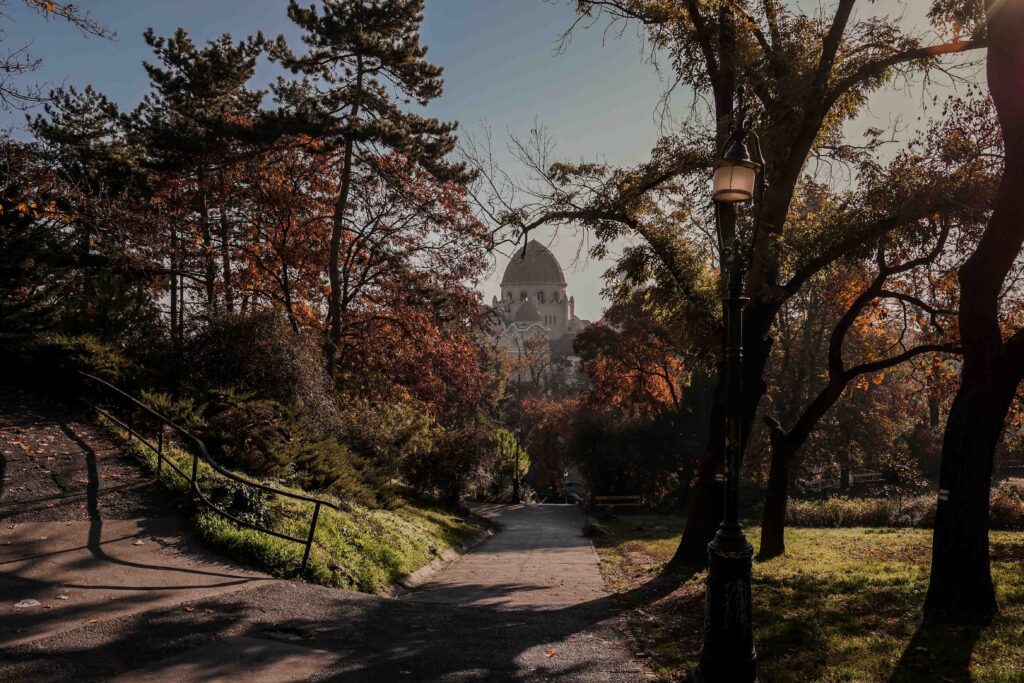
Photo by @norbertlepsik
Bartók Béla Boulevard
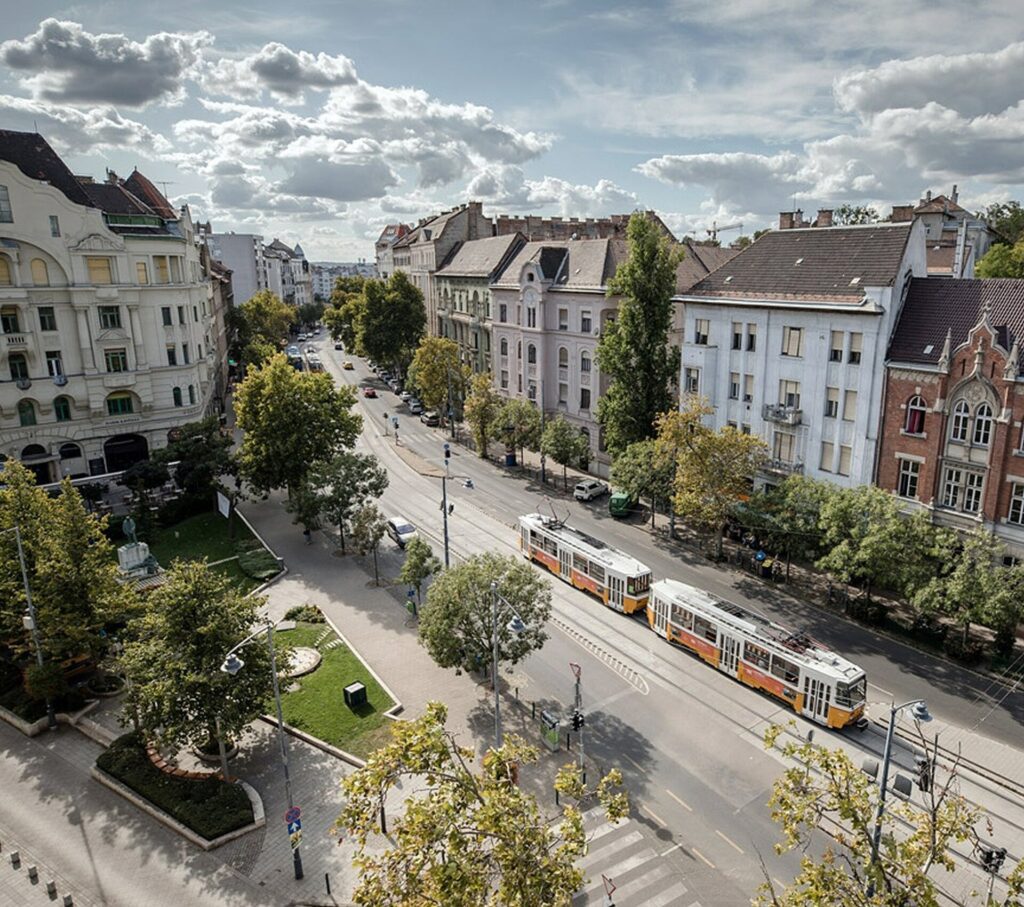
Bartók Béla Boulevard has become one of Budapest’s most creative streets. Over the past decade the avenue has transformed into a hub for art galleries, independent cafés, bakeries, and cultural events. The mix of historic buildings and contemporary spaces gives the boulevard a lively yet relaxed character that attracts both locals and visitors.
Feneketlen Lake
Despite its dramatic name, which translates to Bottomless Lake, this small urban lake offers a peaceful setting surrounded by greenery. Located near Móricz Zsigmond Square, the park around the lake is popular for afternoon walks, jogging, or simply sitting on a bench and watching the water. The nearby church and cafés add to the calm neighborhood atmosphere.
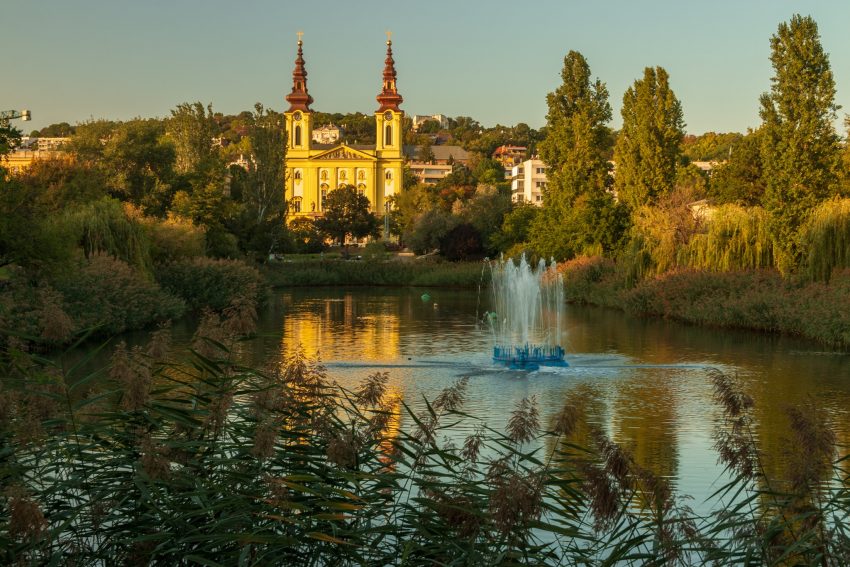
Source: Funzine
Local cafés and bakeries
The XI. District has developed a strong café culture, especially along Bartók Béla Boulevard and the surrounding streets. Independent coffee shops, artisan bakeries, and small brunch spots create a welcoming atmosphere throughout the neighborhood. Many of these places double as community hubs where students and residents spend long afternoons working or meeting friends.
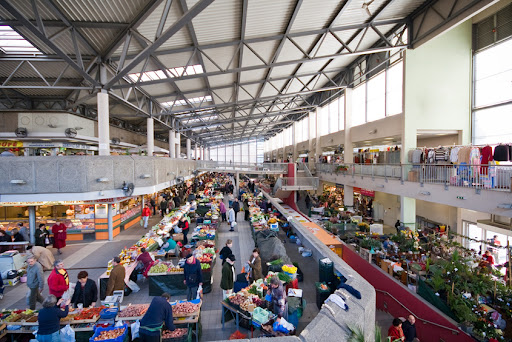
Fehérvári úti Market
For a taste of everyday Budapest life, the Fehérvári Road Market is a great stop. Fresh produce, meats, cheeses, and baked goods fill the stalls, and locals come here for their weekly shopping. It is a lively place where tradition and daily routine meet.
Source: hazai középületek
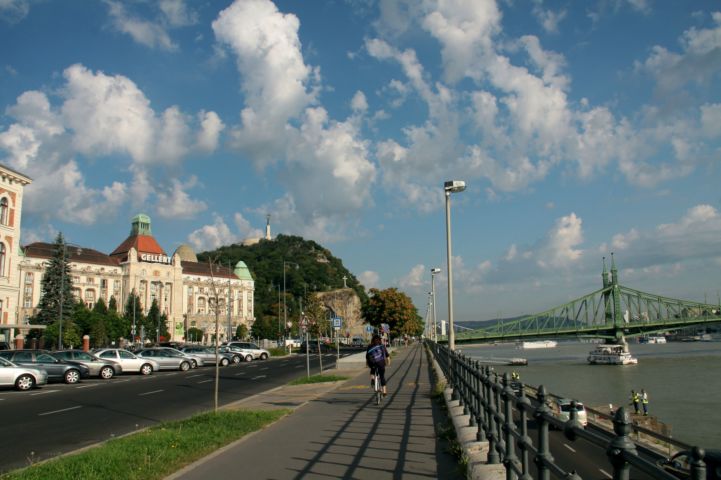
Views from Műegyetem rakpart
The riverside stretch near the university is one of the most scenic walks in the district. From Műegyetem rakpart you can look across the Danube toward the Parliament and the Pest skyline while trams glide along the opposite bank. The wide promenade is perfect for evening strolls, especially when the city lights begin to reflect on the water.
Source: funiq
Kopaszi gát
Further south, Kopaszi gát offers a completely different atmosphere. This landscaped riverside park is one of Budapest’s favorite leisure areas. Lawns, restaurants, and walking paths line the water, and the view toward the Lágymányosi Bay creates a calm escape from the busy city center.
The XI. District reveals a side of Budapest where nature, education, and everyday city life blend naturally. From the panoramic heights of Gellért Hill to the creative pulse of Bartók Béla Boulevard and the relaxed riverside spaces further south, Újbuda continues to grow while keeping its welcoming neighborhood spirit. Exploring it means discovering a Budapest that is both scenic and lived in, vibrant yet comfortably local.