












A Nighttime Guide to Budapest
Budapest at night feels like the city lowers its voice rather than switching off. The streets stay alive, but in a different register. Light reflections stretch across the Danube, bridges glow in soft gold, and even familiar buildings start to feel slightly unfamiliar in the best way. You do not really “plan” an evening here. You step into it and let it unfold. There are a few ways to experience it properly, and they all depend on how close you want to get to the city’s rhythm.
An Evening Cruise on the Danube
There is a reason evening cruises are one of the most popular ways to see Budapest. From the water, the entire structure of the city becomes clearer without effort. The Danube acts as a quiet dividing line, with Buda rising gently on one side and Pest opening into long, illuminated façades on the other.
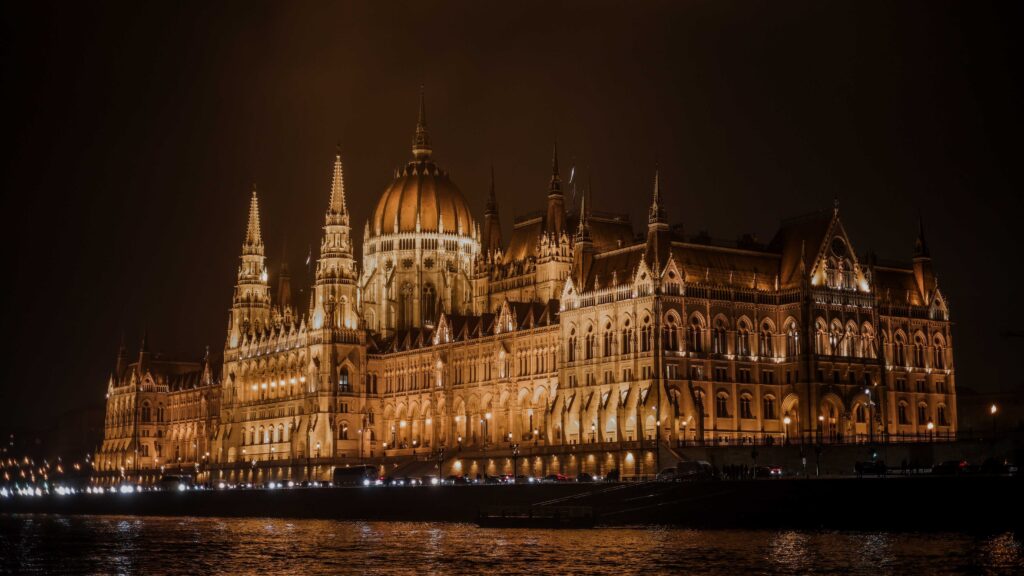
Photo by @norbertlepsik
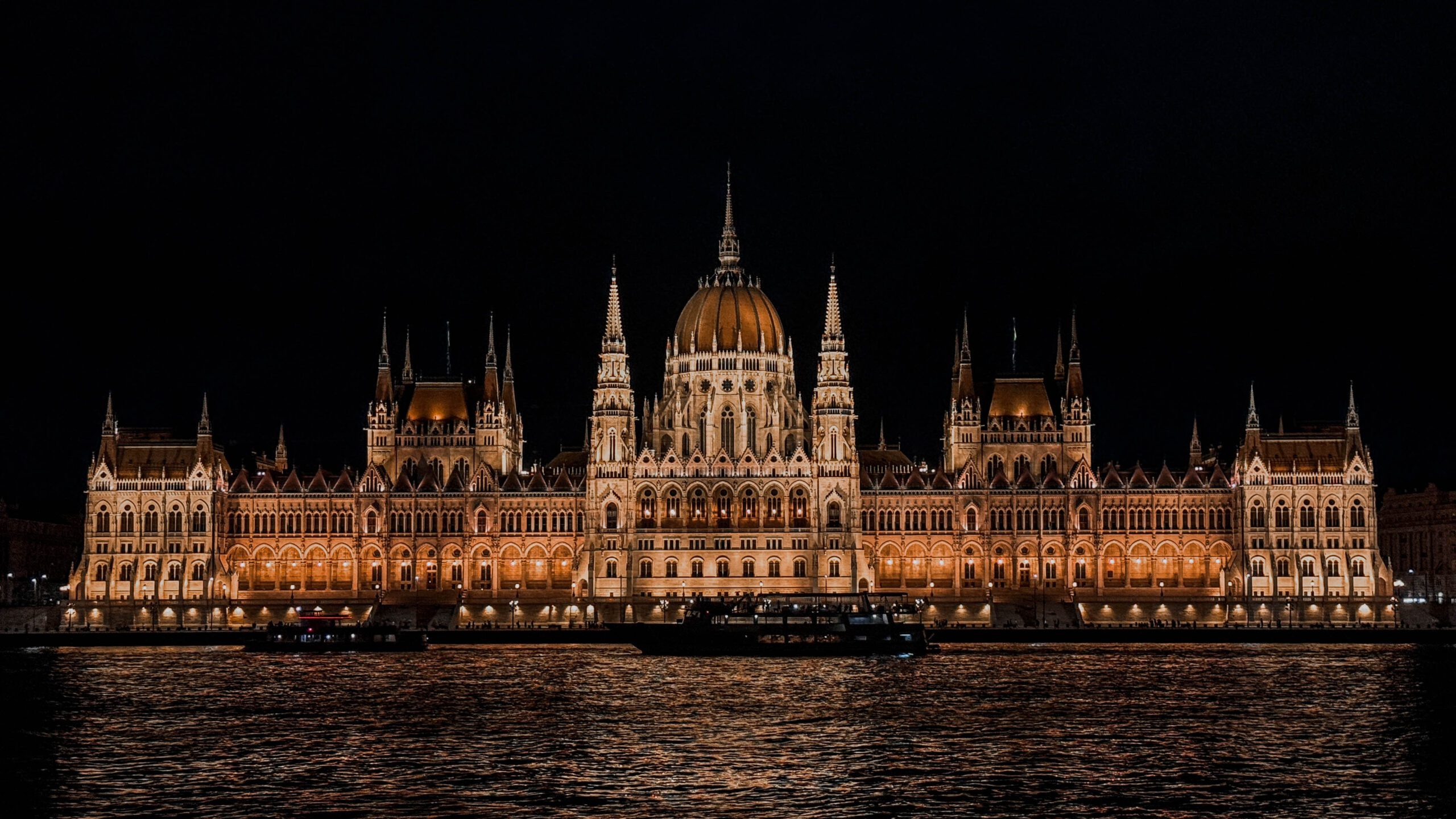
The Hungarian Parliament Building is the obvious highlight. At night, its Neo-Gothic structure is fully lit, reflecting across the river in a way that feels almost symmetrical. Further along, bridges like Chain Bridge connect the two sides with a steady rhythm of light, while the hills above Buda remain darker, giving the whole view a layered contrast. If you want a simple, uninterrupted way to take in the city, this is it. No walking, no planning, just movement along a fixed line while the skyline does the rest. Book your tickets now through this link!
A Walk Through the Lit-Up City
Stepping out onto the streets after dark gives a completely different perspective. The same routes you might walk during the day feel more structured at night, because light becomes the main guide. A walk along Andrássy Avenue feels almost cinematic, with evenly spaced streetlights and long perspectives drawing you forward. Closer to the river, the area around Liberty Bridge and the Danube Promenade shifts into a more open atmosphere, where the reflections of buildings and passing trams add constant movement.

Photo by @norbertlepsik
It is not about a destination. It is about noticing how the city structures itself when everything is illuminated, how façades that felt formal during the day become more atmospheric once the details soften under light.
Bars and Ruin Pubs
Budapest’s bar culture is one of the most distinctive parts of its nightlife, and it does not follow a single format. In the central districts, especially around the Jewish Quarter, nightlife is layered into old buildings that were never meant for this kind of use. The most well-known examples are the ruin pubs, spaces built inside abandoned courtyards and partially restored buildings. The atmosphere is intentionally irregular, mismatched furniture, exposed walls, indoor and outdoor sections blending into each other. It feels informal, but still structured enough to move through easily.

Photo by @norbertlepsik
Places like Szimpla Kert set the tone for this style. It is less about a single bar experience and more about wandering through connected rooms, each with its own character. Smaller cocktail bars nearby shift the mood again, often quieter, more focused, with a stronger emphasis on drinks and conversation. The contrast is part of the appeal. You can move from a crowded courtyard into a narrow, dimly lit bar within minutes, without leaving the district.
Hungarian Cuisine for Dinner
Evenings in Budapest often revolve around food just as much as drinks or views. Traditional Hungarian cuisine is still very present in the city center, often served in spaces that balance historic interiors with a more contemporary approach to dining. Dishes like goulash, slow-cooked meats, and seasonal stews are common starting points, but many restaurants now reinterpret these classics in a lighter, more refined direction. The setting matters just as much as the menu, with many places using vaulted ceilings, wooden interiors, or restored historic rooms to create atmosphere.

Photo by Silverline cruises
Around the central districts and near the river, you will find a mix of traditional restaurants and modern Hungarian kitchens. The experience tends to be unhurried. Dinner here is not something you rush before heading out, it is often part of the evening itself.
Clubs and Late-Night Energy
As the night moves deeper, Budapest shifts again. Some areas become quieter, but certain pockets of the city continue with a different intensity. Clubs in Budapest range from large, high-capacity venues to smaller, more experimental spaces. Many are located in or near the same district as the ruin pubs, which makes it easy to move between different types of nightlife without long transitions.
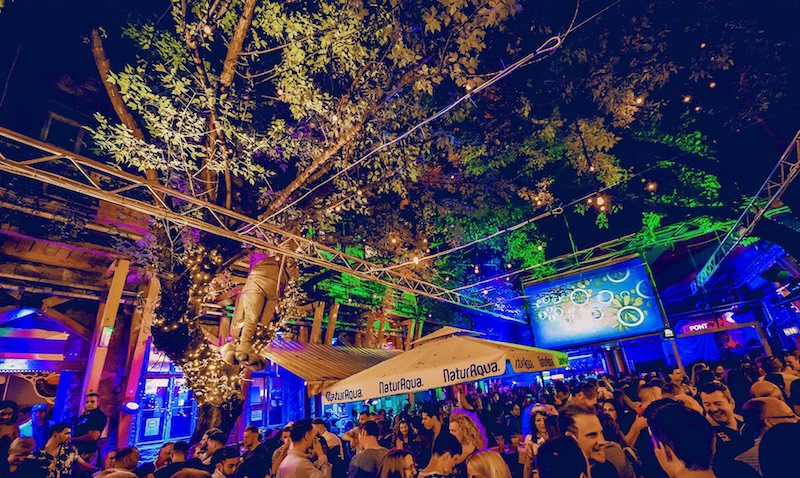
Photo by epicure culture
Music styles vary widely, electronic music is particularly strong, but there is no single defining genre. What stands out more is the use of space. Like the ruin pubs, many clubs are built inside older buildings, where high ceilings and irregular layouts shape the experience as much as the music itself. It is less about exclusivity and more about variation. You can choose how intense or relaxed you want the night to become.
Other Ways to Spend the Night
Not every evening in Budapest needs to follow a nightlife format. Some of the most memorable moments come from slower, quieter experiences. Walking up toward the Buda hills at night offers a completely different perspective. From elevated viewpoints, the entire city spreads out below, with the Danube acting as a continuous line of light. Even a short stop at a viewpoint can change how you understand the city’s structure.

Photo by @norbertlepsik
Another option is simply staying near the river. The Danube Promenade, especially between the bridges, is one of the most consistent nighttime walks. The sound of water, passing trams, and distant activity from both sides of the city creates a steady background rhythm.
A City That Feels Different After Dark
Budapest at night is not about transformation, but about emphasis. The structure is the same, the architecture does not change, but the way you read it does. Light replaces detail, distance becomes more important than density, and the river quietly takes over as the main reference point.
Whether you are on a cruise, walking along the bridges, sitting in a ruin pub, or having a long dinner, the city keeps its balance between movement and stillness. And that is what makes its evenings so memorable. You do not need to chase them. You just step outside, and the city takes care of the rest.