















A Beginner’s Guide to Hungarian Wines: Must-Try Picks
Hungary may not be the first country that comes to mind when people think about European wine, but its wine culture has a history that stretches back centuries. From volcanic hills overlooking Lake Balaton to the legendary vineyards of Tokaj, the country offers an impressive variety of landscapes, grape varieties, and winemaking traditions.
For visitors arriving in Budapest, Hungarian wine is one of the easiest ways to discover another side of the country. The city is filled with wine bars, restaurants, and tasting rooms where you can try bottles from almost every region without leaving the capital. A glass of local wine can reveal stories about Hungary’s geography, traditions, and the generations of winemakers who continue to shape the industry today. Hungarian wines are especially interesting because they are not defined by one single style. You will find elegant whites, rich reds, sweet dessert wines, and unique grape varieties that are rarely seen anywhere else. Whether you are completely new to wine or simply looking for something different to try in Budapest, this guide introduces some of the most important Hungarian wines and the regions behind them.
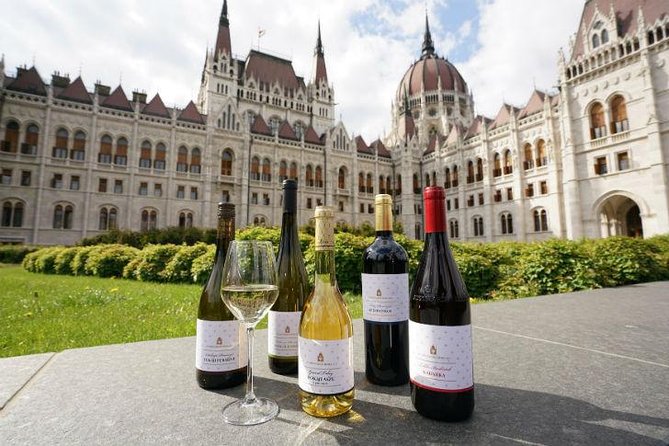 Photo by Viator
A Short History of Hungarian Wine
Wine has been part of life in the Carpathian Basin for thousands of years. The Romans planted vineyards in the region, and viticulture continued to develop through the centuries. By the Middle Ages, wine production had become an important part of Hungarian culture and economy, with royal courts and monasteries supporting vineyards across the country. One of Hungary’s biggest wine milestones came with Tokaj’s recognition as a historic wine region. In the 18th century, Tokaji Aszú became famous across Europe, earning praise from royalty and becoming known as one of the world’s most remarkable sweet wines.
Like many European wine regions, Hungary faced major challenges during the 20th century, including changes in production methods and economic structures. Since the 1990s, Hungarian winemaking has experienced a strong revival, with many producers returning to traditional methods while also introducing modern approaches. Today, Hungary has 22 official wine regions, each offering its own landscape, grape varieties, and character.
Must-Try Hungarian Wines and Wine Regions
Tokaji Aszú: Hungary’s Most Famous Wine
If there is one Hungarian wine that deserves a place on every beginner’s list, it is Tokaji Aszú. Produced in the Tokaj wine region in northeastern Hungary, this sweet dessert wine has been famous for centuries. Tokaji Aszú is made from grapes affected by noble rot, a natural process that concentrates the flavours and sugars of the fruit. The result is a wine with notes of honey, dried fruit, citrus, and spices, balanced by refreshing acidity.
Although it is traditionally served with desserts, Tokaji Aszú is also excellent on its own, especially as a slow evening drink. It represents one of Hungary’s strongest connections between history, landscape, and winemaking tradition.
Furmint: Hungary’s Versatile White Wine
Closely connected with Tokaj, Furmint is one of Hungary’s most important grape varieties. While it is used to create Tokaji Aszú, it also produces excellent dry white wines. Dry Furmint has a completely different personality from sweet Tokaji wines. It is fresh, mineral, and often has flavours of green apple, citrus, herbs, and a subtle honeyed character. Thanks to its natural acidity, it can age beautifully, making it a favourite among Hungarian winemakers. For beginners, dry Furmint is a great introduction to Hungarian wine because it shows the modern side of Tokaj beyond the famous sweet wines.
Egri Bikavér: The Legendary Hungarian Red
Known internationally as “Bull’s Blood”, Egri Bikavér comes from the Eger wine region in northern Hungary. According to legend, Hungarian soldiers defending Eger Castle drank red wine before battle, and their enemies believed the dark colour came from bull’s blood. The story may be more legend than fact, but the wine itself has remained one of Hungary’s best-known reds. It is a blend of several grape varieties, creating a medium to full-bodied wine with flavours of red berries, spices, and earthy notes. A good Egri Bikavér is elegant rather than heavy, making it a great choice for anyone exploring Hungarian reds for the first time.
Kékfrankos: Hungary’s Most Planted Red Grape
Kékfrankos is one of Hungary’s most important red grape varieties and appears in many wine regions across the country. Known internationally as Blaufränkisch, it produces wines with bright acidity, rich fruit flavours, and a distinctive freshness.
Depending on where it is grown, Kékfrankos can range from lighter and fruit-driven to deeper and more complex. It pairs especially well with Hungarian cuisine, making it a natural choice alongside dishes featuring paprika, grilled meats, or stews.
Olaszrizling: A Classic Lake Balaton Wine
Despite its name, Olaszrizling is not related to German Riesling. This traditional Hungarian white grape is one of the most common varieties around Lake Balaton, especially in regions such as Badacsony and Csopak.
It produces approachable wines with flavours of citrus, almond, and herbs. Fresh and easy to drink, Olaszrizling is a popular choice during summer, especially when enjoyed with views of the lake. For many Hungarians, this is one of the wines most connected to relaxed holidays and long afternoons by the water.
Where to Try Hungarian Wines in Budapest
You do not need to travel across the country to explore Hungarian wine. Budapest has a strong wine culture, with many places offering bottles and tastings from different regions. Wine bars around the city centre often create seasonal selections featuring small Hungarian producers, while restaurants increasingly focus on pairing local wines with modern Hungarian cuisine.
Wine tastings are also a great option for beginners, as they allow you to compare different regions and grape varieties while learning the stories behind each bottle.
Photo by aborfesztival.hu
How to Order Hungarian Wine Like a Local
A simple way to start is to think about the style you usually enjoy:
- Prefer fresh and light wines? Try Furmint, Olaszrizling, or a lighter Kékfrankos.
- Like richer reds? Explore Egri Bikavér or Szekszárd Kékfrankos.
- Enjoy sweet wines? Tokaji Aszú is the classic choice.
- Want something unusual? Look for Juhfark or Kadarka.
Do not hesitate to ask for recommendations. Hungarian wine culture is built around sharing, and many local wine professionals are happy to guide visitors toward bottles that match their taste.
 Photo by – alle travel
Discover Hungary Through a Glass
Hungarian wine is a reflection of the country itself: diverse landscapes, long traditions, and a strong connection between people and place. From the sweet vineyards of Tokaj to the volcanic slopes of Somló and the lakeside wineries of Balaton, every region tells a different story.
For visitors in Budapest, exploring Hungarian wine is an easy way to go beyond the city’s famous sights and discover a deeper part of Hungarian culture. Sometimes, all it takes is a glass of local wine to understand a little more about the land, history, and traditions behind it.