











Budapest’s Neighborhoods Uncovered: XVI. District – Garden City and Local Charm
On the eastern edge of Budapest lies the XVI. District, a part of the capital that feels surprisingly removed from the busy city center. Often referred to as Kertváros, meaning Garden City, the district is made up of five distinct areas: Árpádföld, Cinkota, Mátyásföld, Rákosszentmihály, and Sashalom. Together they create one of Budapest’s most residential and greenest districts, where family houses, historic villas, leafy streets, parks, and remnants of old village life shape the landscape.
Unlike the dense inner districts, the XVI. District developed around space and greenery. Its streets often feel more like those of a small town than a capital city, while Mátyásföld’s elegant villas and Cinkota’s historic village center reveal very different sides of the same neighborhood. The result is a district where Budapest’s suburban character is not simply a modern development but a continuation of a much older story.
From ancient settlements to historic villages
The area of today’s XVI. District lies around the Szilas Stream, where the Pest Plain meets the foothills of the Gödöllő Hills. Archaeological discoveries show that people lived here as early as the Stone Age, while later the area was visited and inhabited by several groups, including the Sarmatians and Avars. Hungarian settlers established themselves in the region during the second half of the eleventh century, and Cinkota in particular developed into a long-standing settlement.
Cinkota is the oldest of the district’s historic communities. Its name appears in medieval sources, and by the thirteenth century the settlement was connected to the Dominican nuns of Margaret Island. The village survived the upheavals of the Ottoman period with interruptions, while other settlements in the area experienced much greater depopulation. Rákosszentmihály, for example, was abandoned during the Ottoman occupation and only gradually repopulated from the beginning of the nineteenth century. For centuries, agriculture defined the landscape. Villages, fields, vineyards, orchards, and wooded areas occupied the territory between Pest and the surrounding countryside. The streams and relatively open landscape made the area suitable for farming and livestock, while its distance from the historic center allowed it to retain a distinctly rural character.
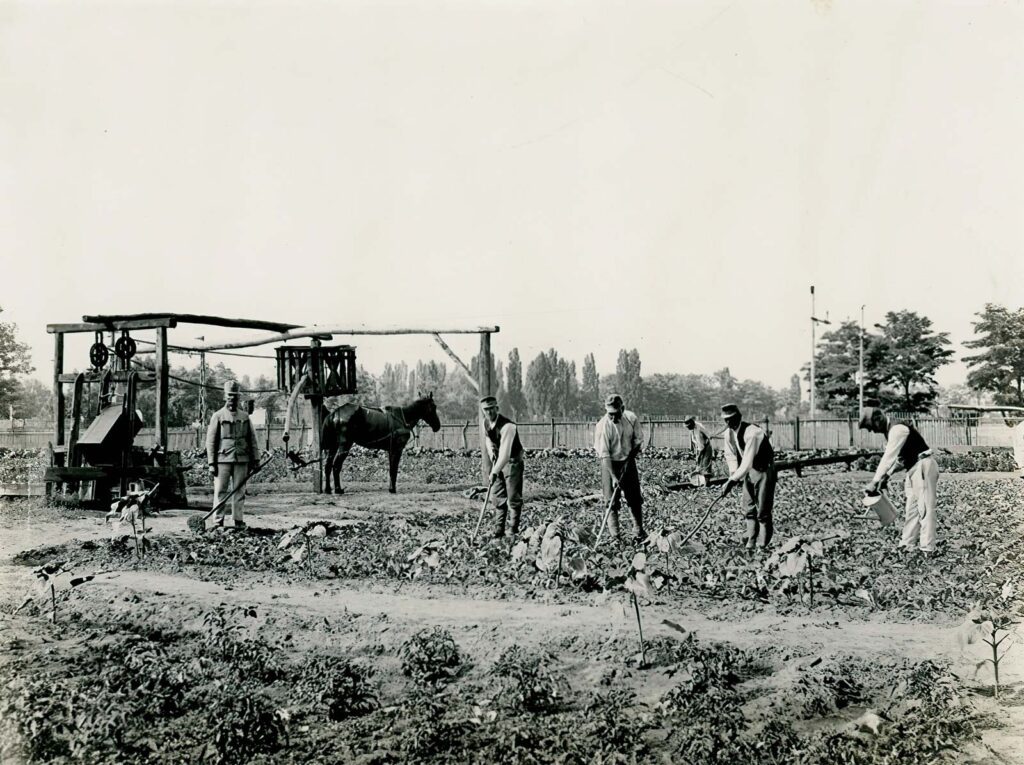 Photo via fortepan by Országos Széchényi Könyvtár
The rise of the garden city
The biggest transformation came during the nineteenth century, as Budapest expanded beyond its historic core. Better transport connections made the eastern outskirts increasingly accessible, and the arrival of the HÉV railway to Cinkota in 1888 accelerated suburban development. New settlements began to grow rapidly around the railway lines, attracting residents who wanted more space and cleaner surroundings while remaining connected to the capital. Mátyásföld became the most elegant expression of this new suburban lifestyle.
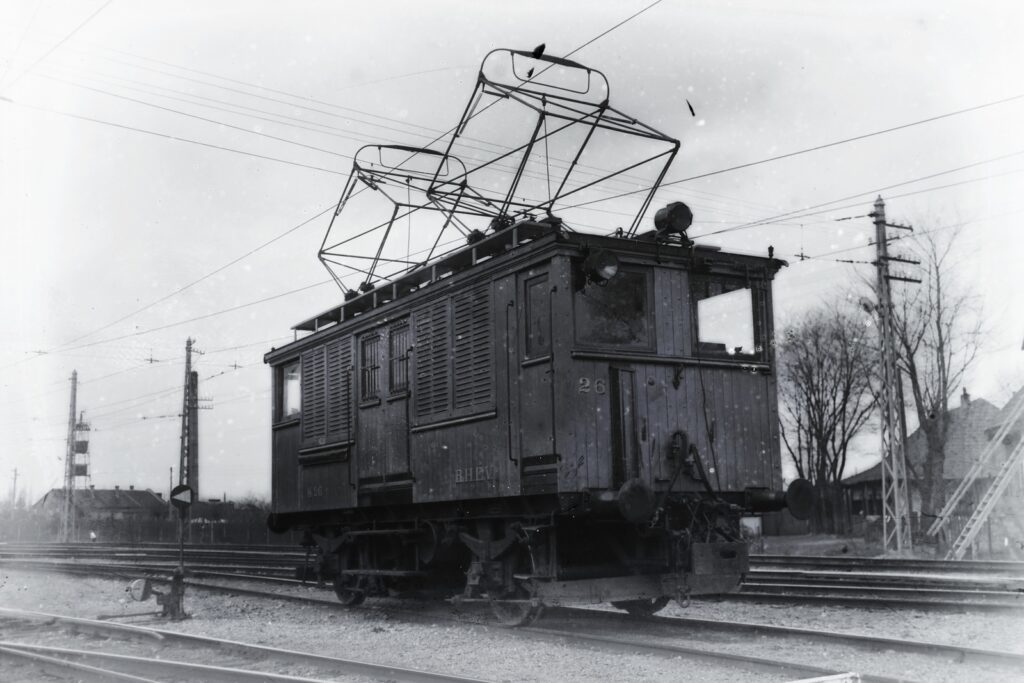 Photo via fortepan by Magyar Műszaki és Közlekedési Múzeum / Archívum / Negatívtár / BHÉV gyűjteménye
From the late 1880s, the Mátyásföld Holiday Home Owners’ Association developed large plots with broad streets, utilities, and generous gardens. Wealthy residents commissioned villas influenced by eclecticism, Art Nouveau, historicism, and Alpine holiday architecture. What emerged was an unusual villa district surrounded by greenery, deliberately designed as a retreat from the increasingly crowded city.
Other parts of the district developed differently. Sashalom grew quickly around the railway and became an independent settlement in 1923, while Rákosszentmihály experienced particularly rapid population growth after becoming independent in 1902. Árpádföld developed later through land subdivision and gradually acquired the low-density garden-city character that still defines it today. The district was also connected to some of the most fascinating technological developments of early twentieth-century Budapest. Mátyásföld became an important center for aviation, with an airfield and aircraft manufacturing facilities established in the 1910s. The site later became Budapest’s first international airport, operating between 1922 and 1937. The arrival of the Uhri brothers’ vehicle factory in 1943 also laid an important foundation for the industrial history that would later be associated with Ikarus.
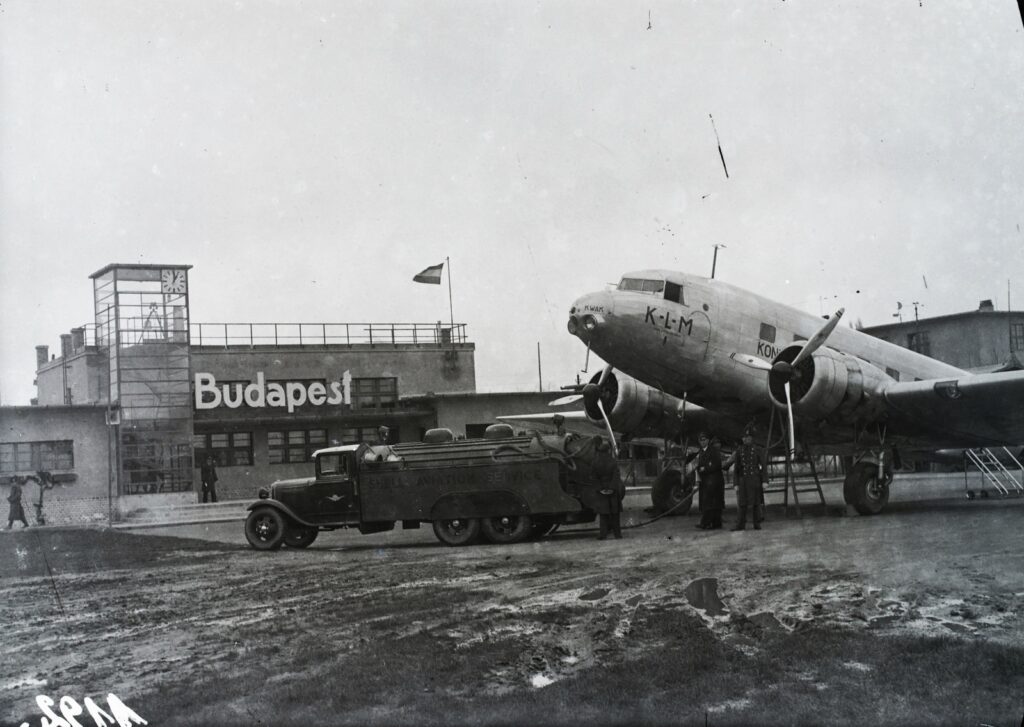 Photo via fortepan by Magyar Műszaki és Közlekedési Múzeum – Magyar Nemzeti Múzeum Történeti Képcsarnok gyűjteménye
From independent communities to Budapest district
The historic settlements continued to grow through the first half of the twentieth century, but their identities remained distinct. Cinkota retained its village atmosphere, Mátyásföld was known for its villas, Rákosszentmihály developed a more densely populated suburban character, and Sashalom became an important working and residential community.
This changed on January 1, 1950, when Cinkota, Mátyásföld, Rákosszentmihály, and Sashalom were incorporated into Budapest as the XVI. District. The political and economic changes of the post-war period brought new housing, infrastructure, and industrial development. The Ikarus factory in Mátyásföld became particularly important, producing buses that would eventually become famous across Hungary and internationally. Despite these changes, the district avoided becoming dominated by large-scale urban development. Some smaller housing estates appeared, but much of the area continued to consist of detached houses, gardens, villas, and green spaces. This helped preserve the garden-city identity that had emerged decades earlier.
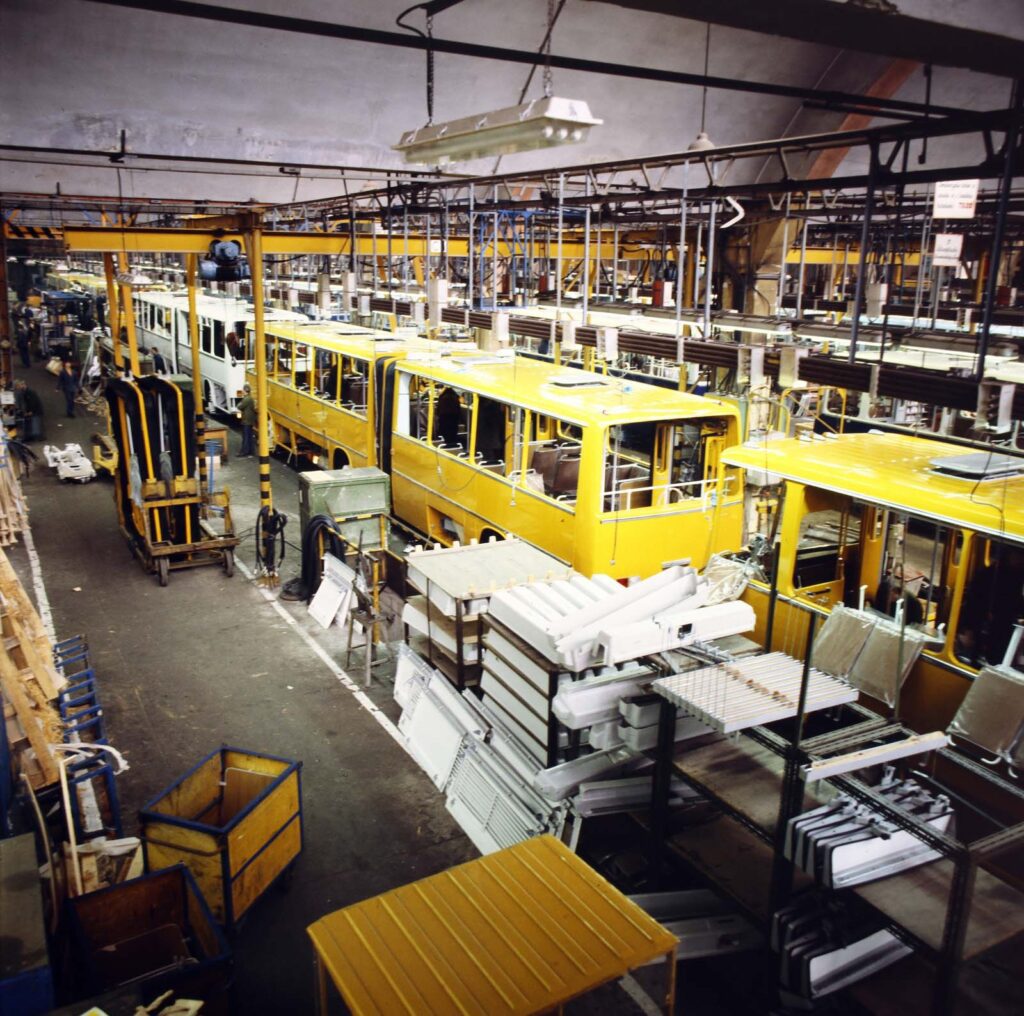 Photo via fortepan by Gábor Viktor
The district today
Today, the XVI. District remains one of Budapest’s most distinctly suburban areas. Families, long-time residents, and people looking for more space and greenery are drawn to its quiet streets, while its strong public transport connections keep the city center within easy reach. The five neighborhoods each have their own personality. Cinkota retains the strongest connection to its village past, Mátyásföld is known for its historic villas and leafy avenues, Árpádföld is characterized by spacious family homes and gardens, while Rákosszentmihály and Sashalom combine traditional residential streets with more modern development.
Nature is equally important to the district’s identity. The Szilas Stream, Cinkota Forest, Naplás Lake, and surrounding fields create a surprisingly extensive network of green areas. The district’s combination of nature and low-density urban development is one of the main reasons locals often refer to it simply as Kertváros. Although this name is widely used, it is not the district’s official name.
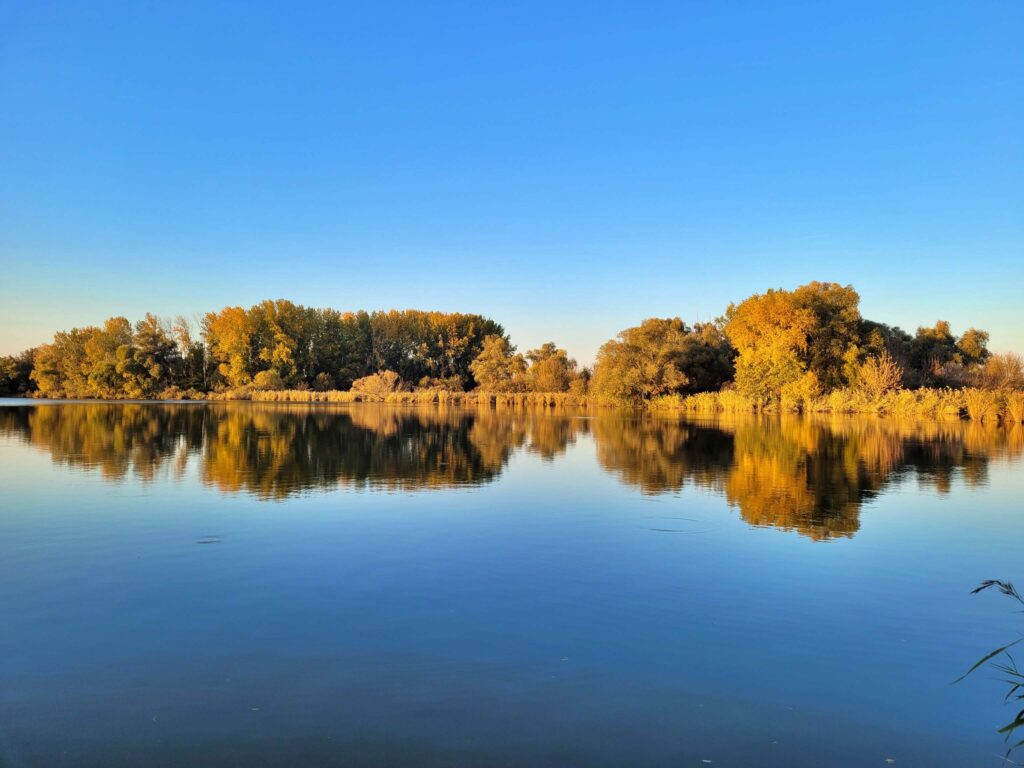 Photo by Kirándulás Tippek
Highlights and local recommendations
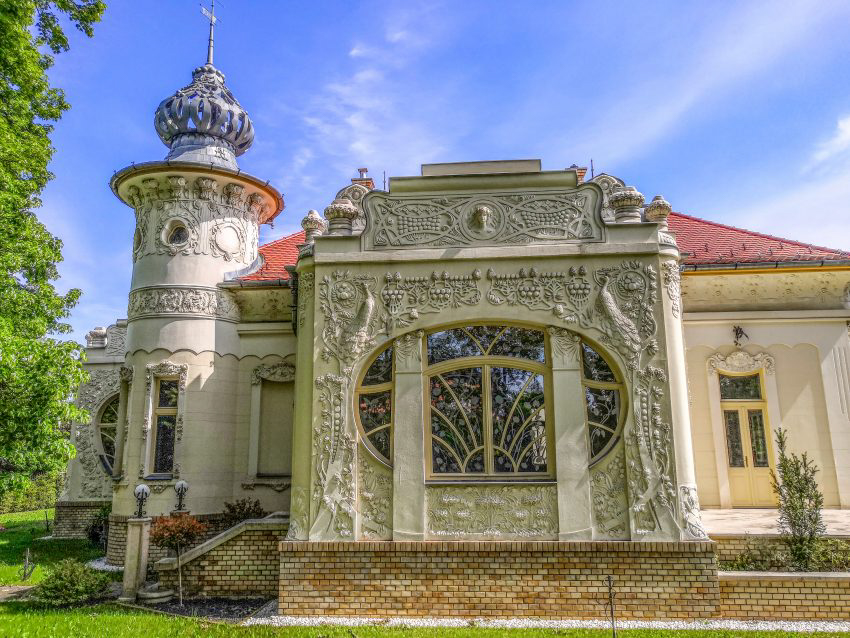
For anyone wanting to understand the character of the XVI. District, the best place to start is probably the Mátyásföld villa district. The streets around Ó-Mátyásföld contain some of the area’s most beautiful historic houses, built when the neighborhood was created as a prestigious holiday settlement at the end of the nineteenth century. The villas combine eclectic, historicist, Art Nouveau, and Alpine influences, and simply walking through the leafy streets can feel like discovering a completely different side of Budapest. The Dozzi Villa on the corner of Májusfa and Koronafürt streets is one particularly striking example, decorated with floral Art Nouveau details, while the former Gizella Castle adds another impressive historic building to the area.
Photo by Mozgássérültek Budapesti Egyesülete
The Mátyásföld villa district can easily be combined with a visit to Erzsébetliget, one of the area’s most important public green spaces. The park provides walking paths, open lawns, mature trees, and recreational facilities, while the Corvin Művelődési Ház and Erzsébetligeti Színház form an important cultural center in the middle of the neighborhood. The venue hosts theatre performances, concerts, exhibitions, children’s programs, workshops, dance events, and community activities throughout the year, making it one of the best places to experience the district’s local cultural life.
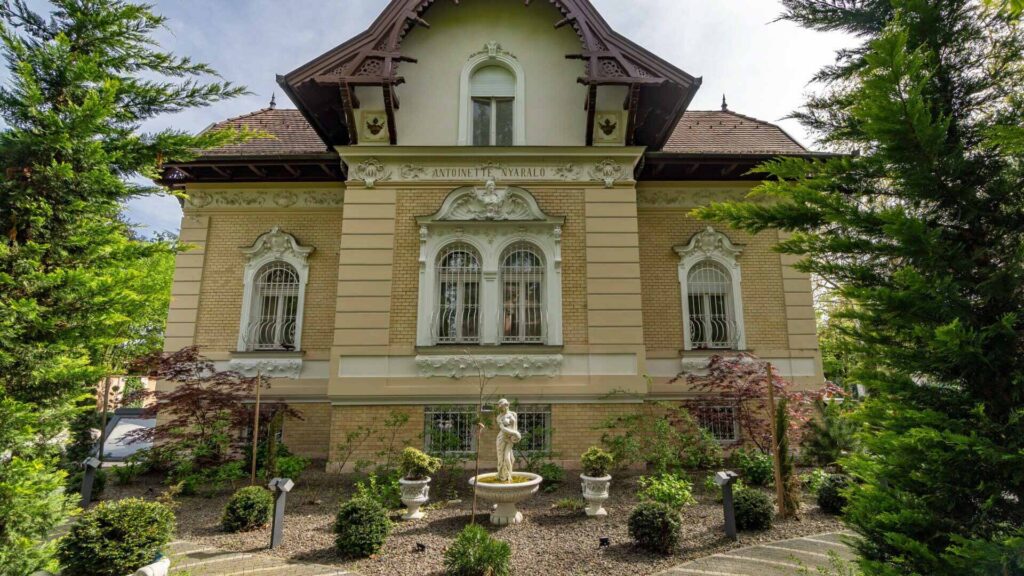 Photo by turista magazin
History enthusiasts should continue toward Cinkota, where the older village structure is still particularly visible. The Cinkotai Tájház offers a look into the area’s rural past through traditional furniture, clothing, household objects, and the preserved atmosphere of an old village house. It forms part of the Kertvárosi Helytörténeti és Emlékezet Központ, together with the local history collection in the Mátyásföld villa district and the Tóth Ilonka Emlékház in Árpádföld. The Cinkotai Tájház also hosts seasonal and family programs, including Easter, Pentecost, harvest, Advent, and other local cultural events.
For nature lovers, the biggest attraction is undoubtedly Naplás Lake and its surrounding protected landscape. Located beside Cinkota, the lake is one of Budapest’s most important natural recreation areas and forms part of a larger nature conservation area covering wetlands, meadows, woodland, and the Cinkota Forest. The area is popular for walking, cycling, fishing, birdwatching, and enjoying the landscape away from the city center. The nearby Cinkota Forest also has a nature trail and resting areas, making it easy to combine a lakeside walk with a longer excursion.
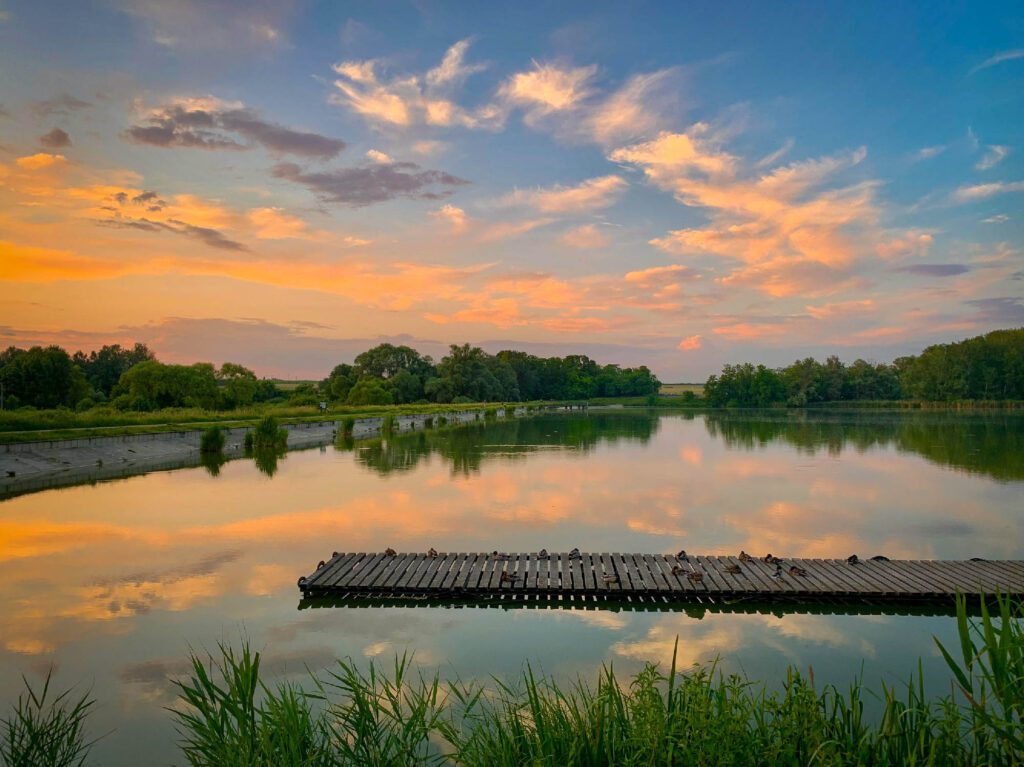 Photo by egy.hu
The Szilas Stream provides another way to explore the district on foot or by bicycle. Paths following the stream connect several green areas and provide a quieter alternative to the main roads. The wider area around the stream contains meadows, woodland, and protected habitats, demonstrating just how much undeveloped landscape remains within Budapest. The Caprera Stream and its surroundings are also worth exploring for those interested in discovering the district’s lesser-known natural corners. The district’s everyday life can also be experienced at places such as Sashalmi Market, where local shopping, seasonal markets, and community events bring residents together. Rather than being a tourist attraction in the traditional sense, it offers a glimpse into the routines of the people who live here and reinforces the neighborhood’s small-town atmosphere.
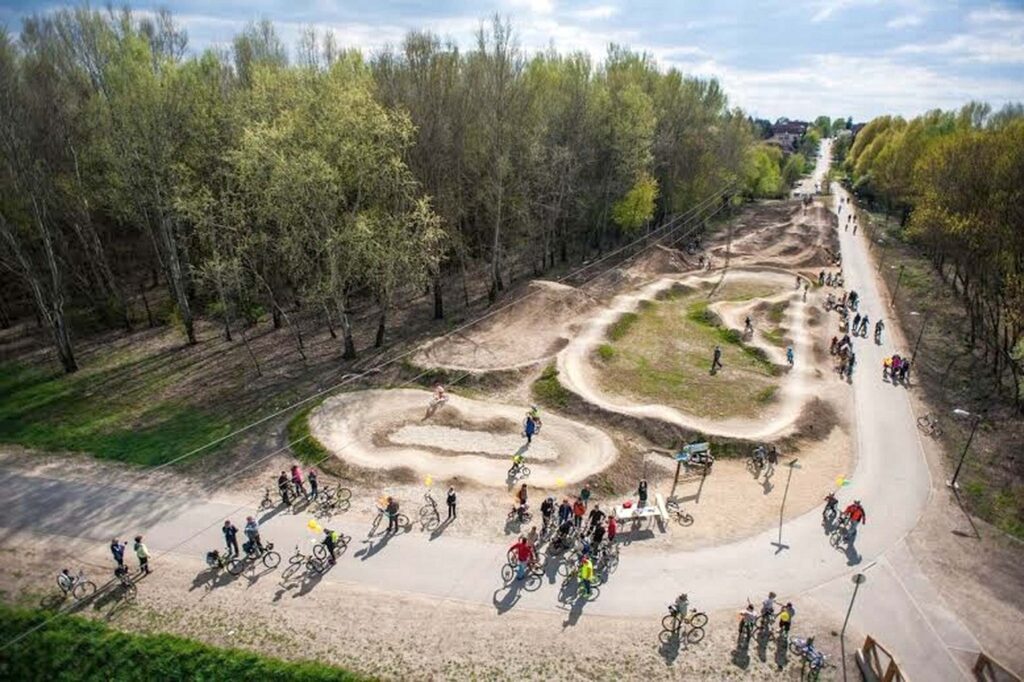 Photo by építészfórum
For families, the Kertvárosi Tanyaudvar offers another distinctly local experience, with an environment designed around animals, nature, and educational activities. Community events at Erzsébetliget also regularly include children’s programs, performances, workshops, and outdoor activities, making the park a particularly good destination for a relaxed weekend afternoon. Recent district events have included family days, live performances, interactive activities, and local history programs. Even the former Mátyásföld airport area can be included in an exploration of the district. Although its role as an airport and center of aviation has long since disappeared, the area remains an important reminder of the XVI. District’s technological and industrial past. The former airfield is now used primarily as an open recreational space, while the history of the MÁG aircraft factory and later Ikarus production adds an unexpected industrial layer to an area otherwise associated with gardens and villas.
The XVI. District is a reminder that Budapest is much more than its historic center. Here, village heritage, elegant villas, family houses, industrial history, and large areas of nature have developed alongside one another without completely losing their individual character. From the Art Nouveau villas of Mátyásföld and the old streets of Cinkota to the peaceful landscapes around Naplás Lake, the district offers a slower and more local side of the capital. Exploring Kertváros means discovering a Budapest where gardens, community, and history remain an essential part of everyday life.