












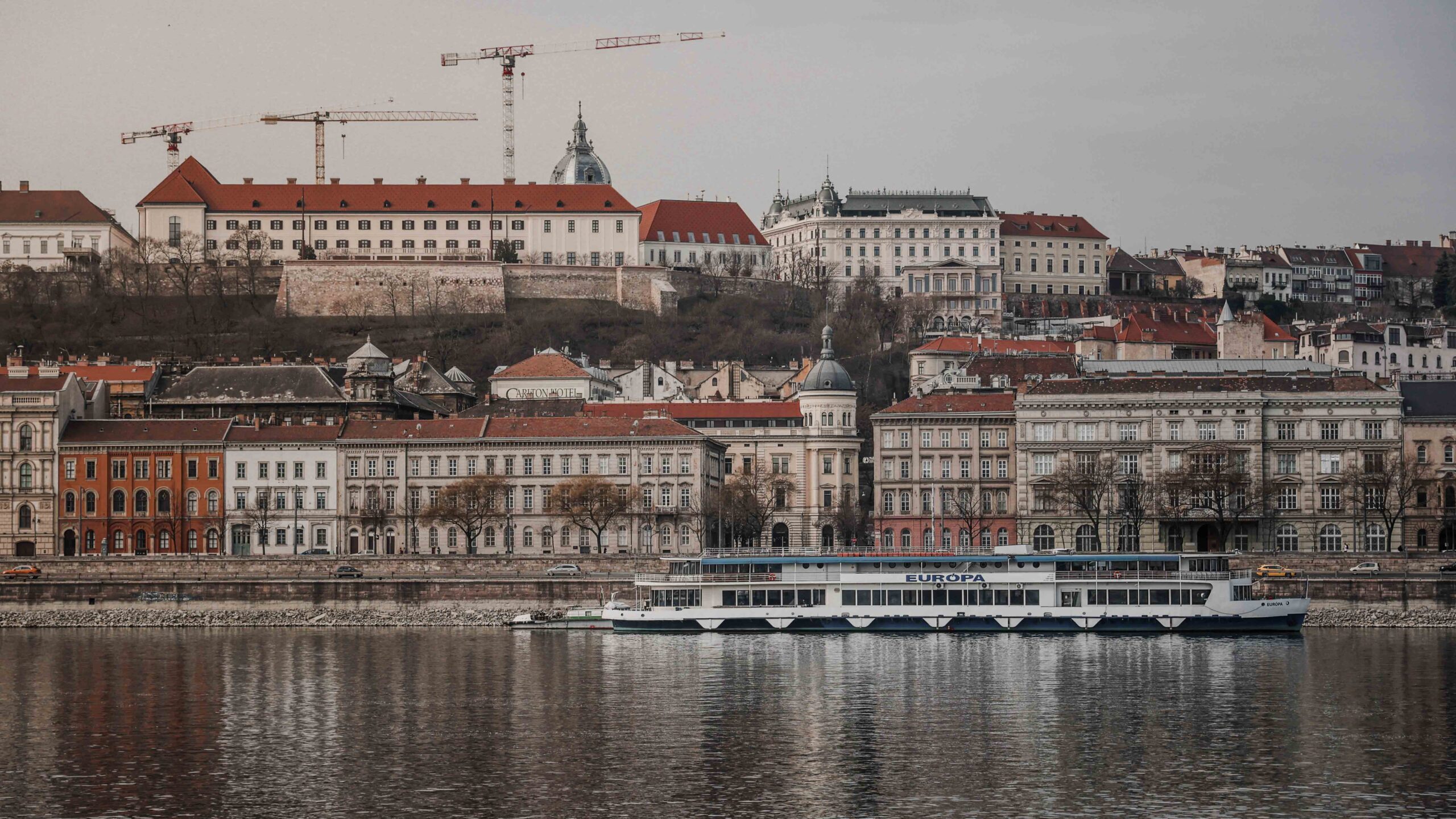
Why Budapest’s Architecture Is a Blend of East and West
At first glance, Budapest feels unmistakably European. Grand boulevards, ornate façades, and historic cafés line the streets in a way that might remind you of Vienna or Paris. But look a little closer, and something shifts. The patterns, the colors, the details on rooftops and facades start to tell a more layered story. This is not just Central Europe. This is a meeting point.
Budapest sits at a cultural crossroads where Western elegance meets Eastern influence, and its architecture reflects that balance in ways that are sometimes obvious, sometimes subtle, but always worth noticing.
A City Shaped by Empires
To understand Budapest’s architectural mix, you have to start with its history. Over the centuries, the city has been shaped by different powers, each leaving its own imprint. Roman foundations, medieval Hungarian structures, nearly 150 years of Ottoman rule, and later the influence of the Austro-Hungarian Empire all overlap here. The Ottoman period, in particular, introduced elements that still stand out today. While much of that era was later replaced or rebuilt, traces remain in places like the thermal baths. Step into Rudas Baths or Király Baths, and you will notice the domed ceilings, octagonal pools, and subdued lighting that feel closer to Istanbul than Vienna.
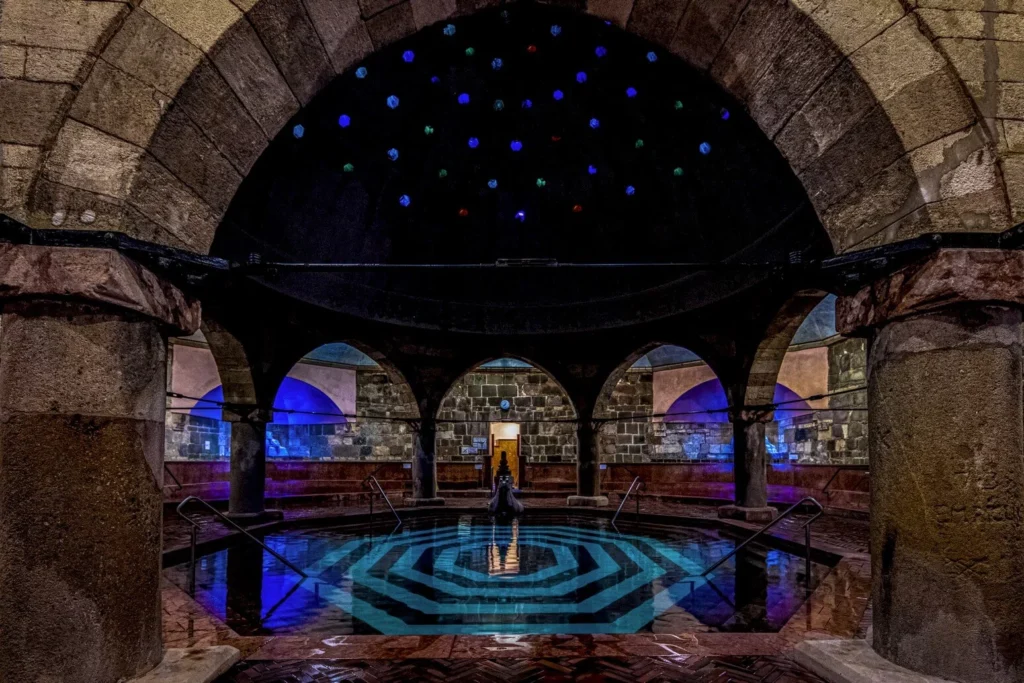
Photo source – BudAPPest
Later came the Austro-Hungarian period, when Budapest was rapidly transformed into a modern capital. This is where the Western side becomes more dominant, with wide avenues, monumental public buildings, and a strong sense of urban planning.
The Grandeur of the Austro-Hungarian Era
The late 19th century was a defining moment. Budapest expanded quickly, aiming to match the scale and prestige of imperial capitals. The result is what many visitors first notice, an elegant, cohesive cityscape built with confidence. Along Andrássy Avenue, Neo-Renaissance palaces line the boulevard with a rhythm that feels almost Parisian. The avenue leads to Heroes’ Square, where monumental statues and open space create a sense of ceremony and scale.

Photo source – mandiner
Then there is the iconic Hungarian Parliament Building, a Neo-Gothic landmark that draws inspiration from London’s Westminster while adding its own Hungarian character through symmetry, detailing, and sheer presence along the Danube. This side of Budapest is polished, structured, and clearly aligned with Western European architectural traditions.
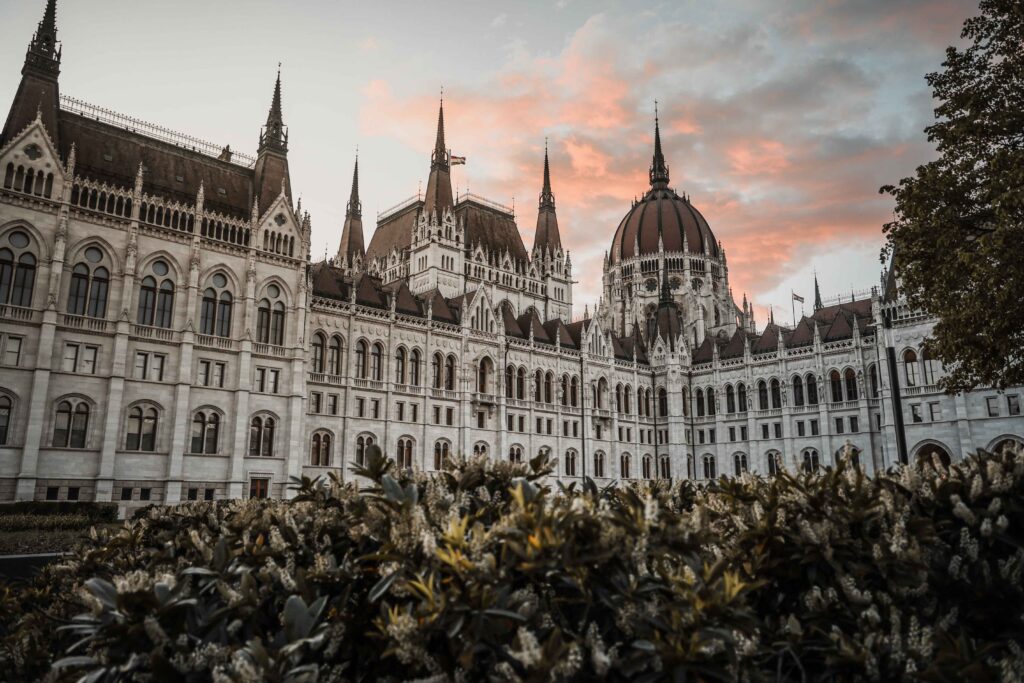
Photo by @norbertlepsik
Eastern Details in Unexpected Places
But Budapest never fully follows just one direction. Eastern influences appear in details that you might not notice at first, yet once you do, they are hard to ignore. The most distinctive example is Hungarian Art Nouveau, often referred to as Secession. Unlike its Western counterparts, it leans heavily into folk motifs, organic shapes, and influences that reach beyond Europe.

Photo source – Michelangelo-Foundation
Look at the roof of Matthias Church, with its colorful Zsolnay tiles, or the richly decorated façade of the Museum of Applied Arts. Designed by Ödön Lechner, often called the father of Hungarian Art Nouveau, the building combines traditional Hungarian patterns with forms inspired by Persian and Indian architecture. It is here that Budapest starts to feel different. Not just a variation of Western Europe, but something more layered, drawing from multiple directions at once.

Photo source – DayDream-Tourist
A City of Contrasts, Not Conflicts
What makes Budapest unique is not just the presence of different styles, but how naturally they coexist. Gothic revival landmarks stand not far from Ottoman bathhouses. Secessionist buildings with colorful ceramics sit beside restrained classical façades. Walk across Liberty Bridge, and within minutes you move between different architectural moods. On one side, academic grandeur. On the other, thermal baths and hillside views that feel almost Mediterranean or Middle Eastern in atmosphere.
These shifts do not feel forced. They reflect the city’s history as a place where influences met, overlapped, and gradually blended into something cohesive.

Photo source – ujpest-media
More Than Just a Visual Mix
This East-meets-West character is not only about buildings. It shapes how the city feels. The café culture, the bath traditions, the mix of formal and relaxed spaces, it all follows the same pattern.
You might start your day in a grand, chandelier-lit coffee house that feels straight out of Vienna, then end it in a centuries-old bath under a domed ceiling, surrounded by steam and stone. Few cities offer that contrast within such a compact area.
Where the Past Still Feels Present
Budapest’s architecture is not frozen in time. It continues to evolve, but always with that layered foundation underneath. New developments appear, old buildings are restored, and yet the overall character remains intact. That is what makes the city so engaging. It does not present a single, uniform identity. Instead, it reveals itself through contrasts, details, and small shifts in atmosphere from one street to the next.

Photo by @norbertlepsik
And perhaps that is the real takeaway. Budapest is not simply Eastern or Western. It sits somewhere in between, shaped by both, defined by neither, and that balance is exactly what makes it worth exploring again and again.