













Budapest’s Neighborhoods Uncovered: XII. District – Nature, Elegance, and a Peaceful Escape
Tucked into the green slopes of the Buda Hills, District XII, known as Hegyvidék, reveals a quieter and more elevated side of Budapest, where elegant villas, forested landscapes, and panoramic viewpoints shape everyday life. It is a district where the city gradually dissolves into nature, offering a refined residential atmosphere that feels both exclusive and deeply connected to its surroundings.
Unlike the dense inner districts of Pest, Hegyvidék has always been defined by space, fresh air, and its natural terrain. Winding roads follow the hills rather than strict urban grids, and instead of crowded boulevards, you’ll find tree-lined streets, hidden stairways, and pockets of calm that give the area its distinctly peaceful character.
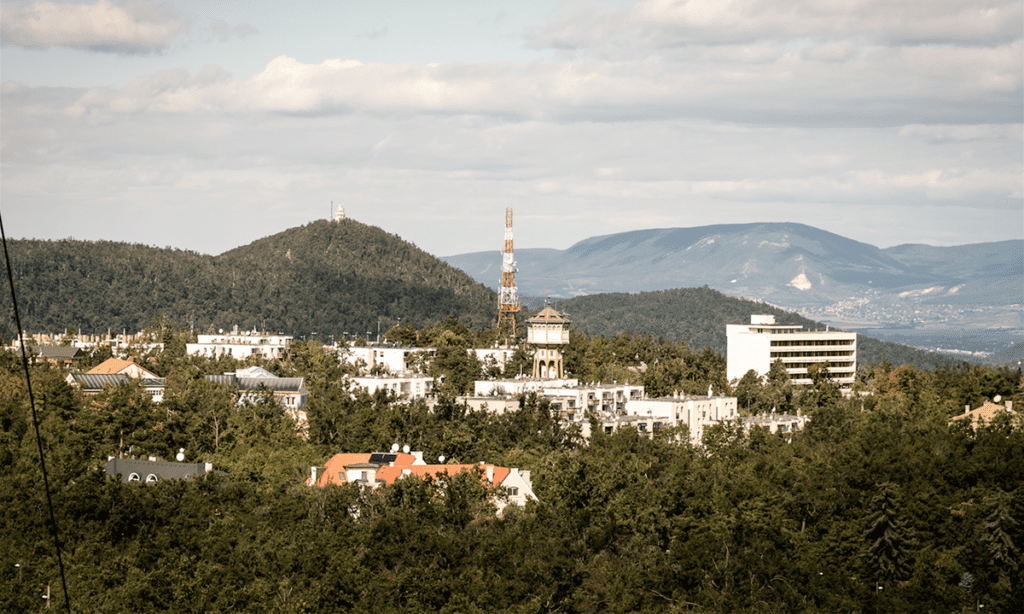
Photo source – remax.hu
A hillside shaped by retreat and transformation
The story of District XII begins not with dense urban life, but with nature itself. In ancient times, the surrounding hills played a supporting role to nearby Roman settlements, offering resources and strategic viewpoints above the Danube. For centuries, the area remained lightly populated, its forests and slopes serving as a natural backdrop rather than a central hub of activity.
During the medieval period and later under Ottoman rule, the district stayed largely rural. Vineyards gradually spread across the sunlit hillsides, and small agricultural communities took shape, supplying nearby Buda. This rural identity continued well into the eighteenth century, when the area was still defined by cultivation, woodland, and scattered estates.
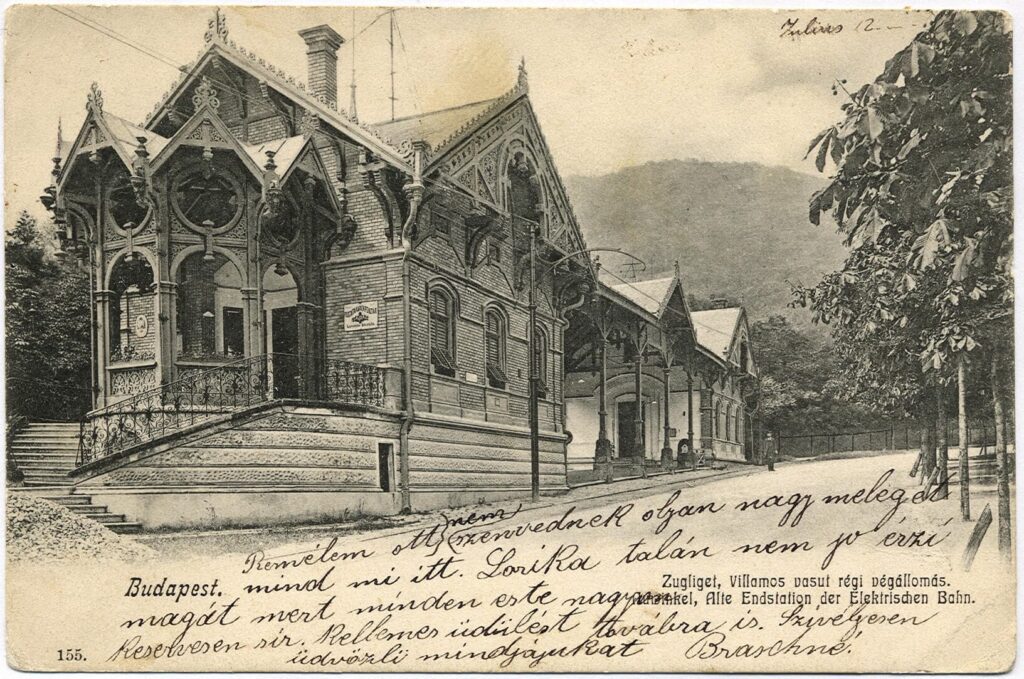
Photo source – Hegyvidéki Helytörténeti Gyűjtemény
It was only in the nineteenth century, during Budapest’s rapid expansion, that Hegyvidék began to transform. As the city below grew more crowded and industrialized, the hills became increasingly attractive to those seeking cleaner air and a more relaxed environment. Wealthy residents began building summer houses and villas, turning the district into a retreat from urban life. The devastating phylloxera epidemic that destroyed vineyards in the late nineteenth century accelerated this transition, opening up land for residential development and reshaping the landscape permanently.
From villa district to refined residential area
By the late nineteenth and early twentieth centuries, District XII had established itself as one of Budapest’s most prestigious residential areas. Elegant villas appeared among the trees, many designed in eclectic or early modernist styles, reflecting both wealth and architectural ambition. The district developed organically, with streets adapting to the hills rather than reshaping them, creating a unique urban fabric that still defines the area today.
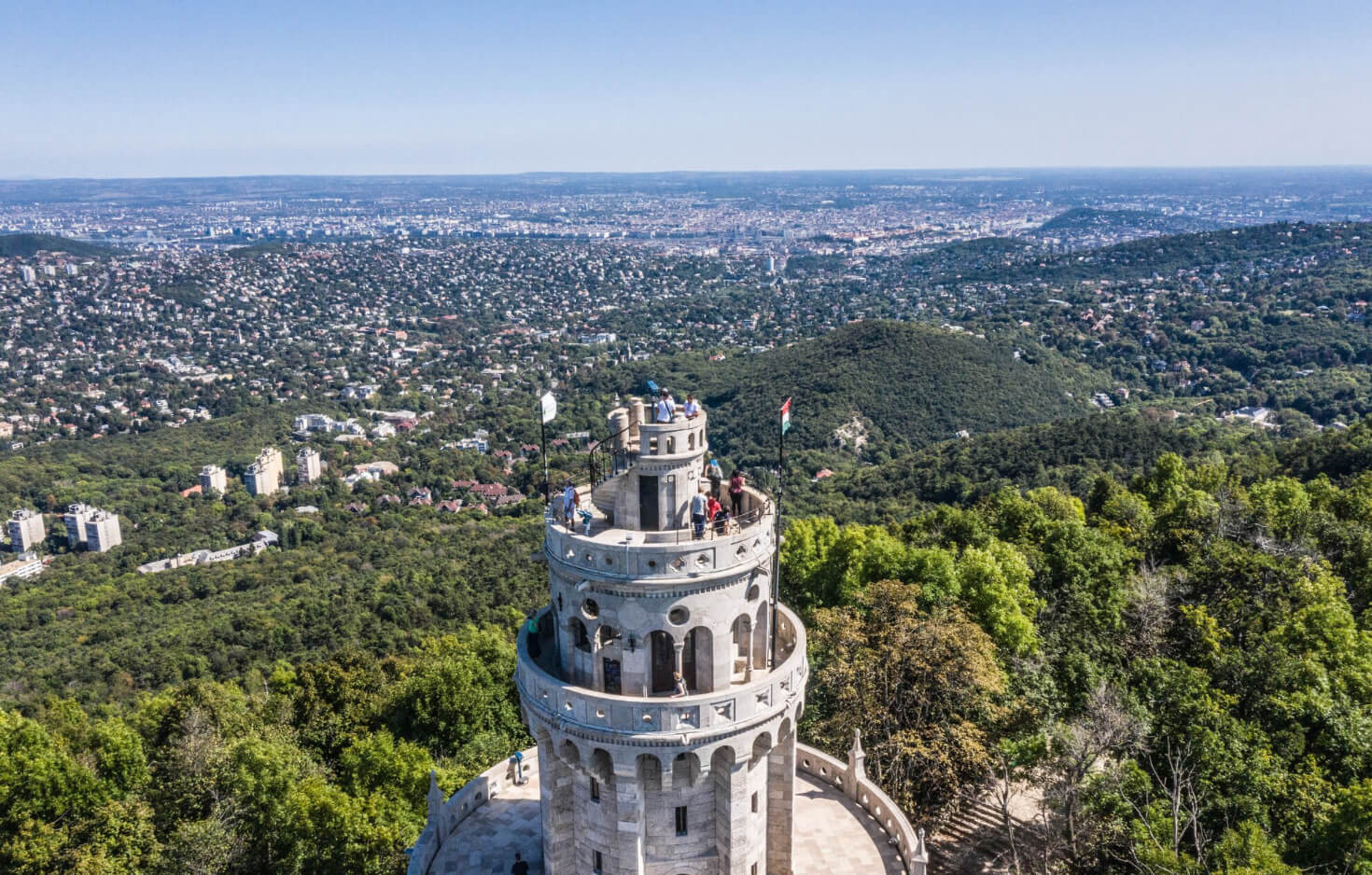
One of the most iconic points of the district, János Hill, became a symbol of this transformation. Rising above the city, it offered not only fresh air and recreation but also one of the most spectacular views in Budapest. At its summit, the Elizabeth Lookout was completed in the early twentieth century, quickly becoming a landmark and a destination in its own right.
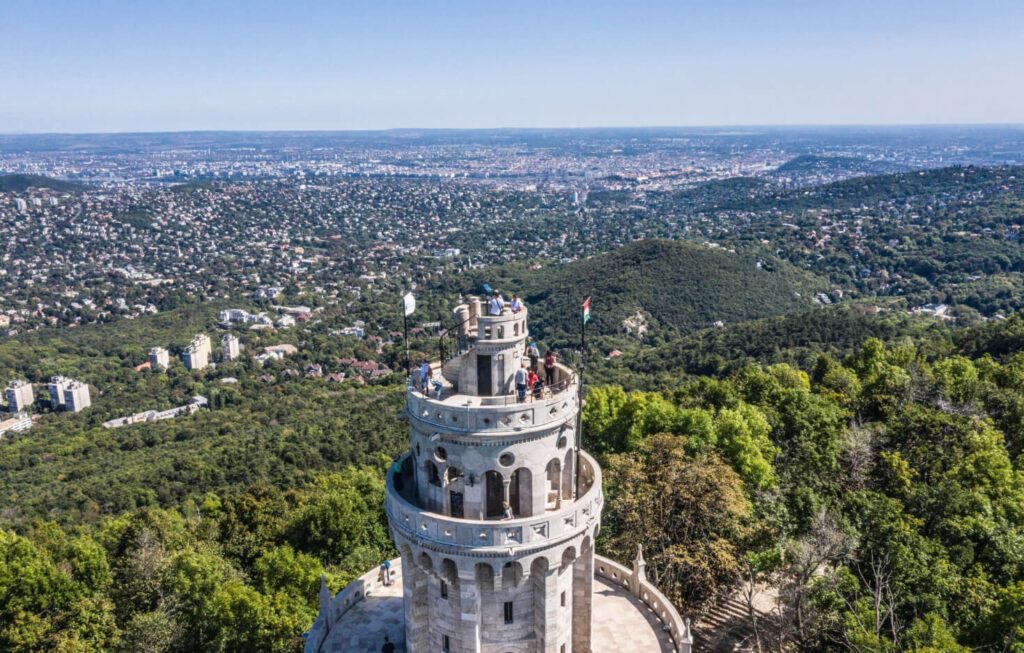
Photo source – Unreal Estate
The twentieth century brought both continuity and change. While the district avoided heavy industrialization, it did not escape the effects of war and political shifts. After World War II, many villas were repurposed or subdivided during the socialist era, yet the overall character of the district remained intact. Unlike other parts of the city, large-scale housing developments were introduced more selectively, allowing Hegyvidék to retain its spacious and green identity.
Following the political transition of 1989, the district experienced renewed investment and restoration. Historic buildings were renovated, new residential projects appeared, and the area strengthened its reputation as one of Budapest’s most desirable addresses.
The district today
Today, District XII offers a distinctly calm and elegant lifestyle. It is primarily residential, home to families, diplomats, and those who value privacy, greenery, and proximity to nature. The pace here is slower, shaped by outdoor activities, neighborhood routines, and a strong connection to the surrounding landscape. The district feels almost like a gateway between city and countryside. Within minutes, urban streets give way to forest trails, and viewpoints open up across the entire capital. At the same time, the city center remains easily accessible, making Hegyvidék a place where balance defines everyday life.
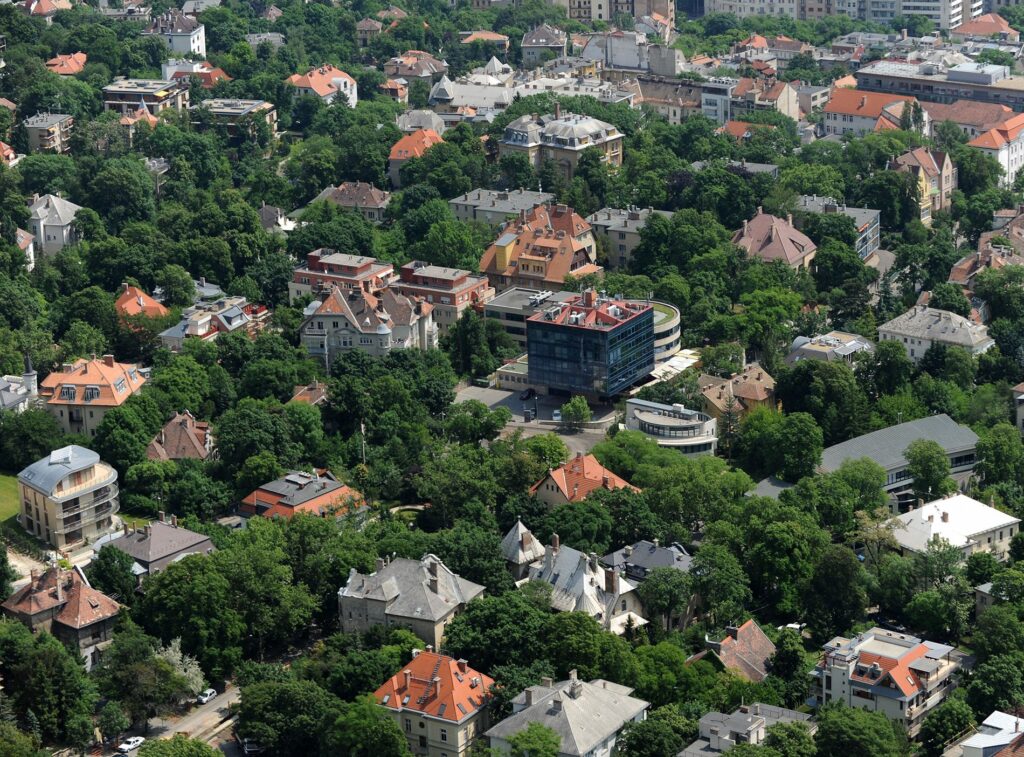
Photo source – nlc
Highlights and local recommendations
District XII is best explored slowly, allowing its layers of nature, architecture, and local life to unfold. Starting with the higher elevations, János Hill and the Elizabeth Lookout remain essential, offering one of the most expansive panoramas in Budapest, especially on clear days when the view stretches far beyond the city limits. Nearby, Normafa acts as a central gathering point for locals throughout the year, whether it is for morning walks, weekend hikes, sledding in winter, or simply enjoying the open views toward the Danube. The surrounding Buda Hills extend this experience even further, with well-marked hiking routes leading through dense forests, connecting spots like Szépjuhászné and Hűvösvölgy, where the atmosphere feels almost completely removed from the urban environment.
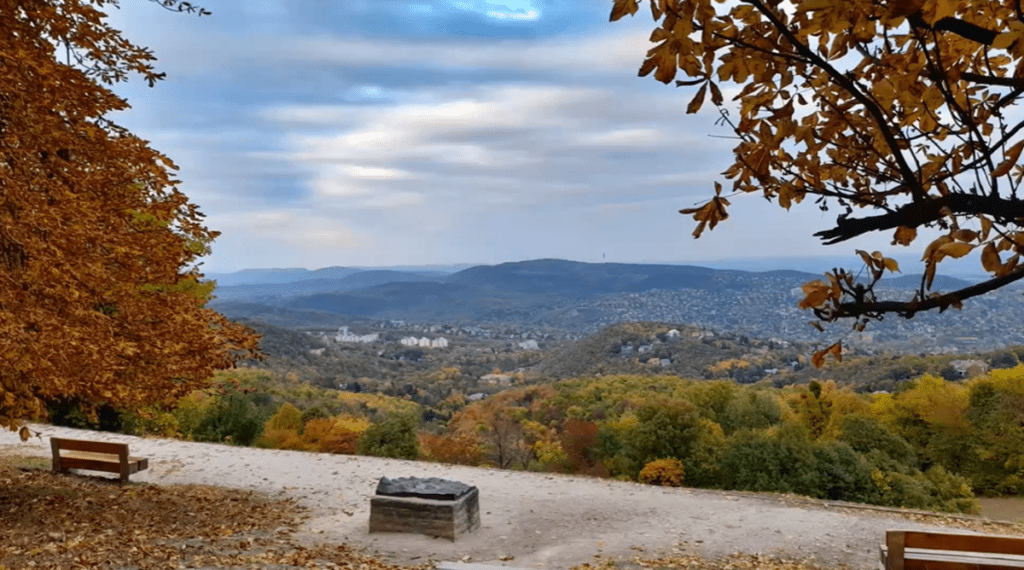
Photo source – HubPages
One of the most unique experiences in the district is the Children’s Railway, a narrow gauge railway line operated with the help of young volunteers, running through the hills and linking several popular excursion points. Not far from it, the chairlift connecting Zugliget and János Hill offers a slow, scenic ride above the treetops, adding a slightly nostalgic perspective to the landscape.
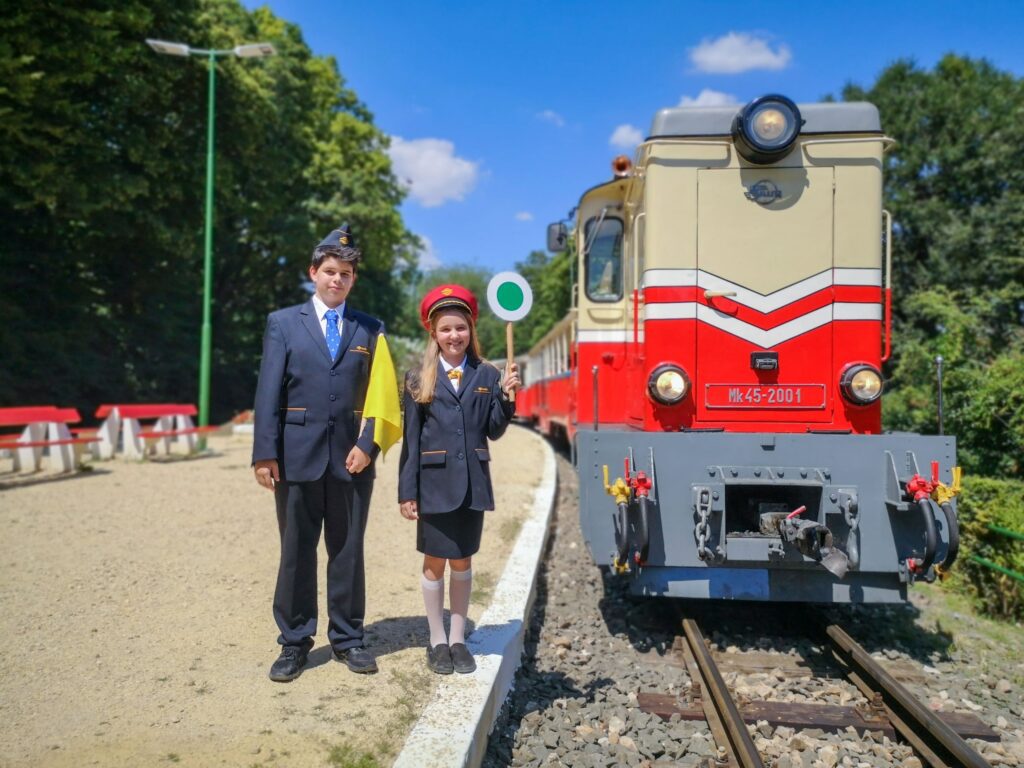
Photo source – Gyermekvasút
Closer to the residential areas, the district reveals its more refined, everyday side. Streets like Böszörményi út and its surroundings form a subtle local center, where cafés, bakeries, and small shops create a relaxed neighborhood rhythm. Spots like Majorka Café and Bagatelle Budapest bring a more polished yet approachable dining scene, often set in or around restored villa buildings that reflect the district’s architectural heritage.
For those interested in quieter green spaces, Gesztenyés-kert near the MOM Park area offers a well-kept park environment ideal for walks, casual meetups, or a break during the day, while the nearby cultural venues and shopping areas add a touch of urban convenience without overwhelming the district’s calm atmosphere. The Zugliget area, with its historic villas and the former tram terminus, provides another layer of character, blending nostalgia with access to nature.
Seasonally, the district becomes especially appealing. Autumn highlights the forested hills with warm colors, while winter brings a long-standing tradition of sledding around Normafa. Spring and summer, meanwhile, turn the entire area into a green escape, where terraces, viewpoints, and shaded paths invite long, unhurried afternoons.
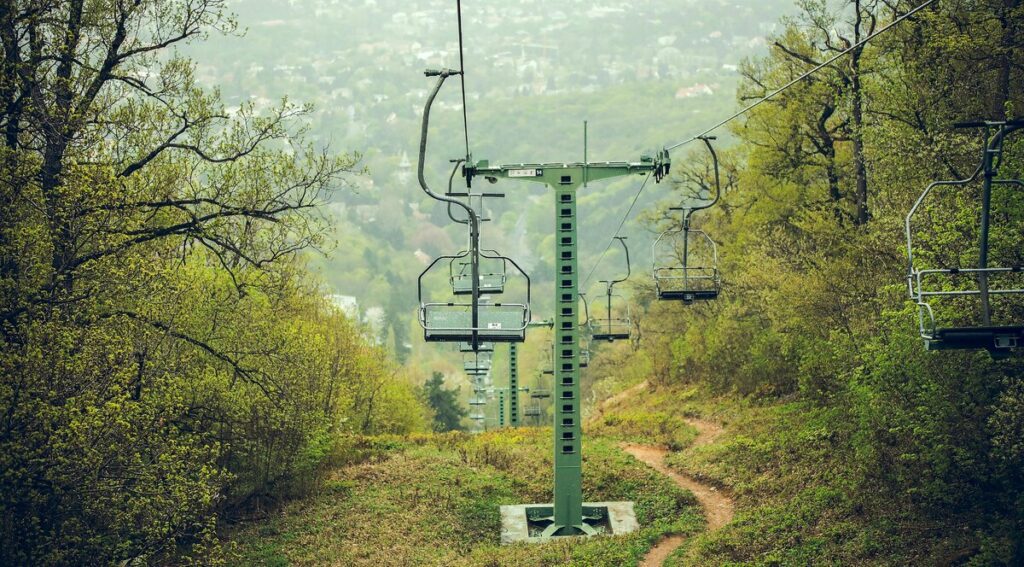
Photo source – Normafa Park
With its forested landscapes, historic villas, and understated elegance, District XII offers a version of Budapest that feels both timeless and quietly contemporary, a place where nature shapes daily life and where the city’s energy gives way to something more relaxed, more spacious, and distinctly refined.